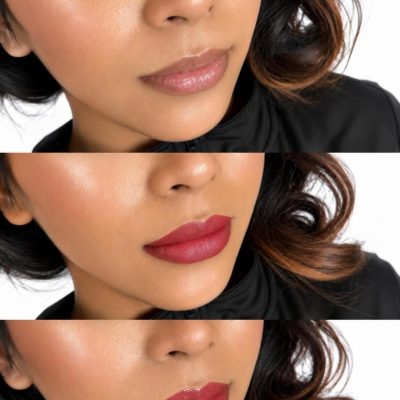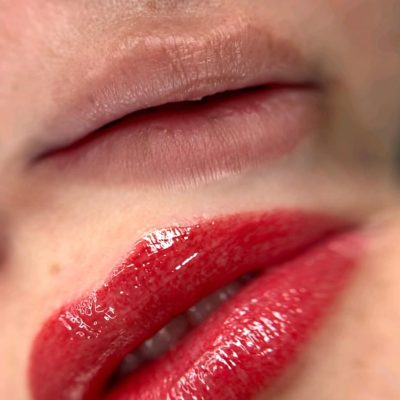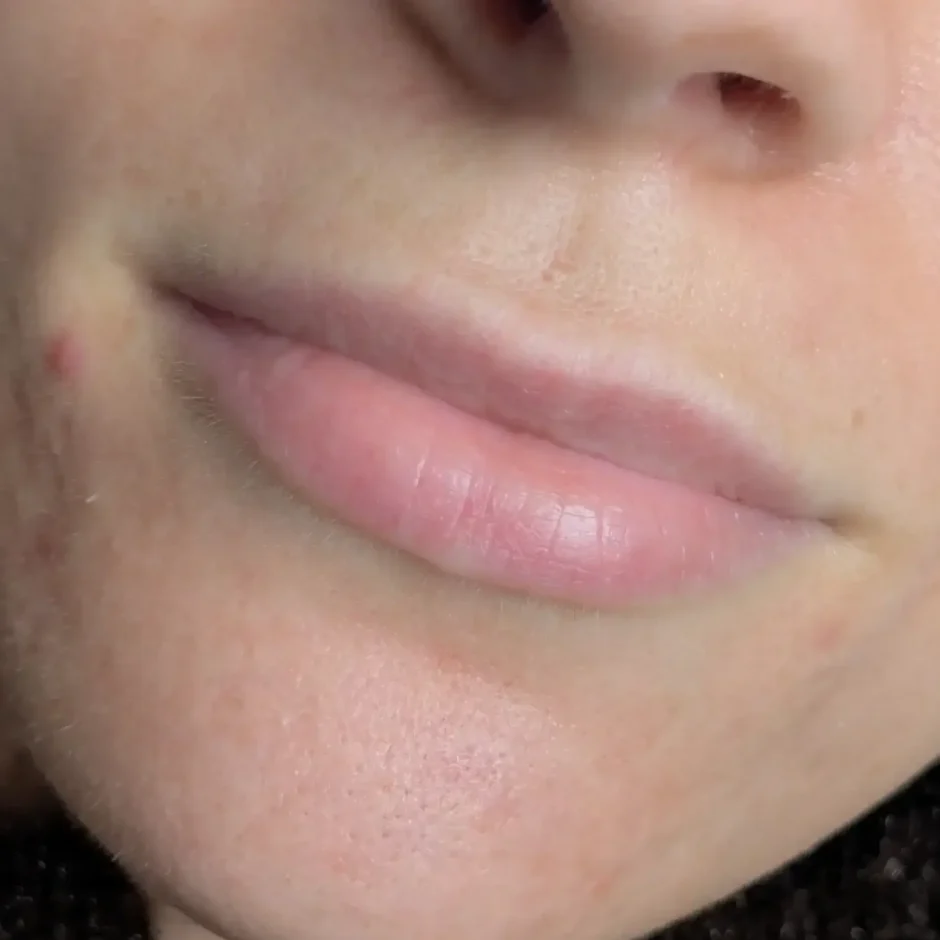
Ingredients to avoid after lip tattoo flaking are mainly acids, retinoids, exfoliants, fragranced balms, menthol, camphor, alcohol-heavy products, and harsh toothpaste overspill. If your Aquarelle lips are peeling, keep your routine simple, clean, and boring for a bit — boring heals beautifully.
I’m Olha Po, founder of Studio Face Figurati, making permanent makeup in Brisbane, and this is one of the most common aftercare questions I get after lip blushing. The short answer: during the flaking stage, avoid anything that exfoliates, irritates, overheats, over-moisturises, or stings the skin. Those ingredients can lift fragile flakes too early, increase the risk of infection, and affect pigment retention.
Why This Stage Matters
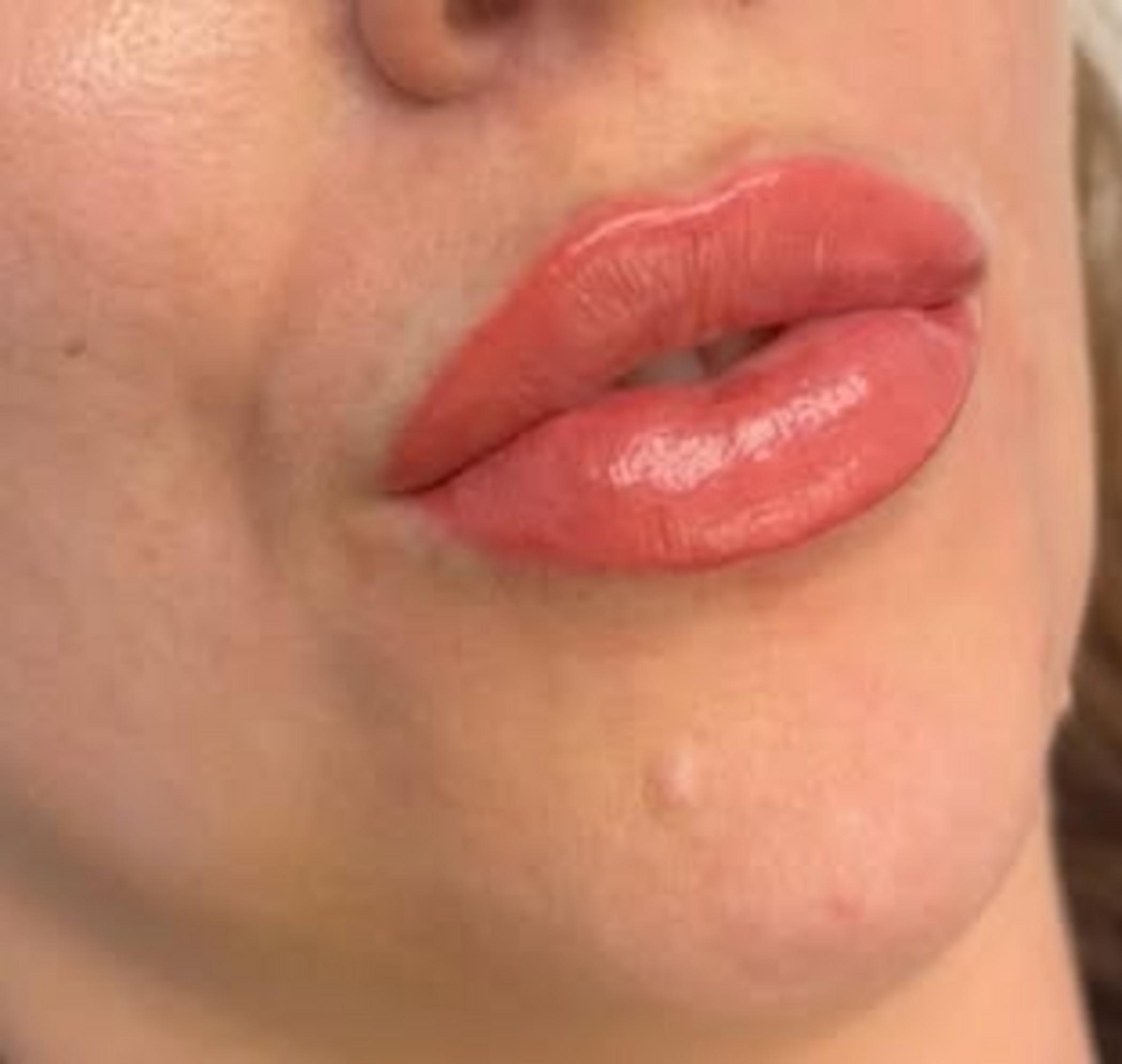
The peeling stage is when most people freak out and start trying to “help” their lips in all sorts of ways. I get it – the colour can look patchy, the texture feels weird, and you just wanna slap on some lip balm, any lip balm.
But this is the one time you really need to resist the urge to experiment with new things. In my studio, I’ve seen again and again that the best results come from keeping it super simple, even when the weather is cold and windy or super dry. Don’t get me wrong – you might be tempted to grab a random lip balm out of your handbag, but trust me, it’s better to keep things simple.
What Happens During Peeling
After an aquarelle treatment, your lips are gonna go through a few phases – first, they might get swollen, then settle a bit, then get a bit dry and then flake. Usually it’s around day 3 – 5 when the flaking starts, and that can last a few days, depending on how moisturised your skin is, how your body reacts to the treatment, and whether you’ve been messing with your lips, ie by using harsh skincare or eating spicy food.
What always catches people off guard is that the colour can look really dark, then light, then kinda patchy before finally settling back into its normal tone. People are always expecting their lips to look super bright right after they’ve been tattooed, but they can look kinda dull once they’ve healed. Thats totally normal.
Top Ingredients To Skip
Anything with retinoids or retinol – they’re just really harsh
Any exfoliant at all – AHAs, BHAs, all those other names for peeling back of skin
Stuff with vitamin cC- or any enzyme treatment
Menthol, camphor, peppermint – all that and stuff like cinnamon or peppermint oil
Fragrance – or any strong formula with loads of alcohol
Harsh cleansers, the sulphates in fancy face wash, and toothpaste overspill – especially the whitening sort
Any chemical sunscreen on your lips
Strong toothpaste residue
Why This Stage Matters
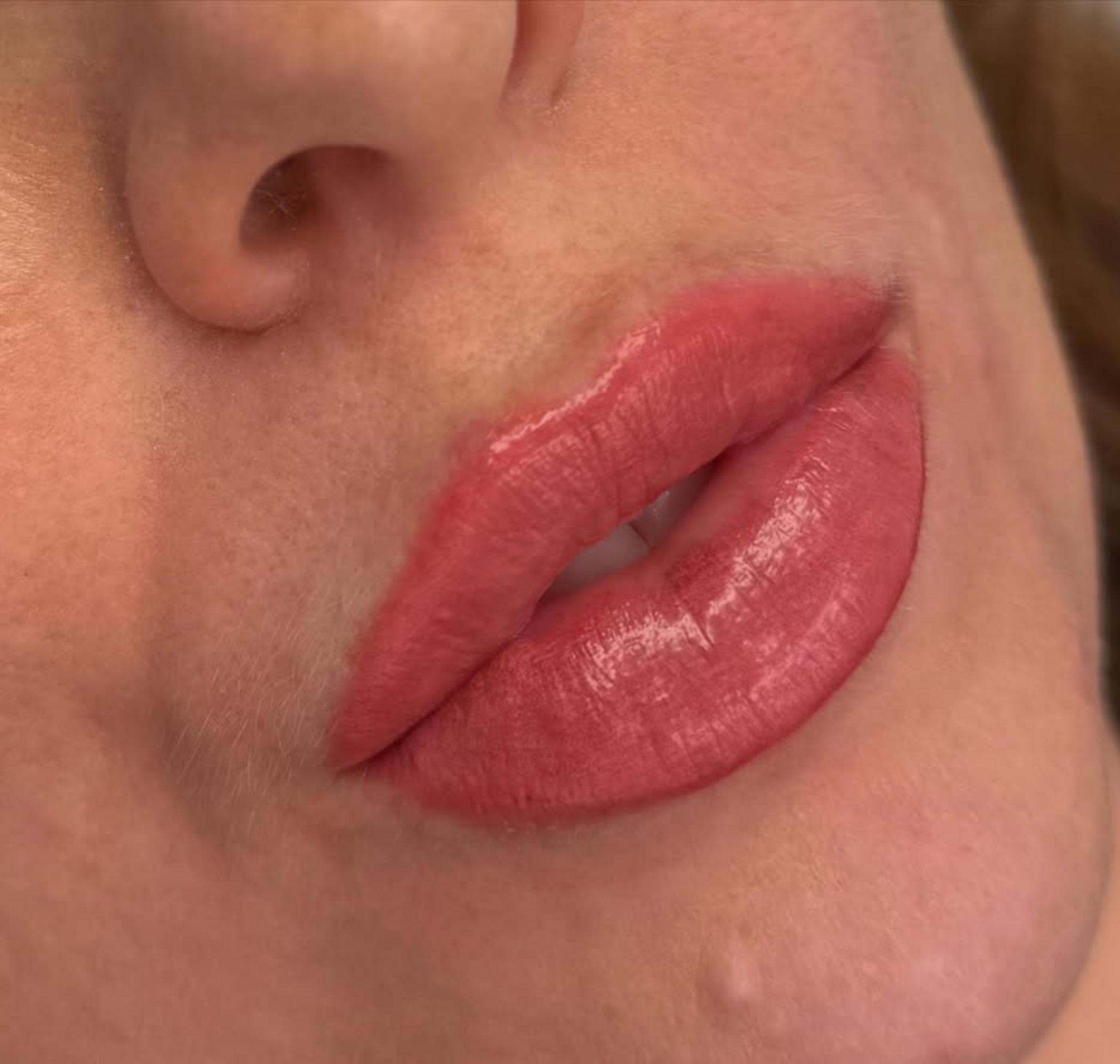
The flaking stage is when clients get a bit anxious and start messing about with their lips a bit too much. It’s not surprising – the colour can look patchy, the texture feels weird, and who can blame you for wanting to grab that random lip balm from your handbag for a quick fix.
But hold up – it’s just not the right time to start experimenting. In my Melbourne studio, I see way better results when clients use fewer products, not more. And that’s especially true in cooler, windy weather or when the heat is on (and I’m not just talking about the sun), when your lips are already feeling parched.
What Happens During Peeling
After an Aquarelle treatment, your lips usually go through a pretty predictable process – swelling, settling in, a bit of dryness, and then flaking. For most people, flaking starts around 3-5 days in and settles down over the following days. Still, it can vary depending on your skin type, how hydrated you are, your immune system, and whether you’ve had a mishap with spicy food, steam, or certain skincare products.
What often catches people off guard is that your lips can look darker to start with, then lighter, and even a bit uneven before the healed tone finally kicks in. Yeah, it’s a bit of a shock to the system – you might be expecting fresh tattooed lips to look all bold and beautiful, but it’s actually a softer look that you’ll end up with.
Top Ingredients To Skip
Retinoids and retinol – these are exfoliants that are way too harsh for your healing lips.
AHAs, BHAs, and other exfoliants – again, these are best left out of the lip care mix for now.
Vitamin C acids and enzyme treatments – same thing – these can strip the surface of your lips.
Menthol, camphor, peppermint, cinnamon, and essential oils – these can be super irritating.
Fragrance and strong alcohol-based formulas – these can dry out your lips even more.
Harsh cleansers, sulphates, and foaming face wash runoff – these are a recipe for disaster.
Chemical sunscreen on broken or flaking lip skin – this is just asking for trouble.
Strong toothpaste residue, especially from whitening formulas, can be super irritating to your lips.
How Ingredients Interfere
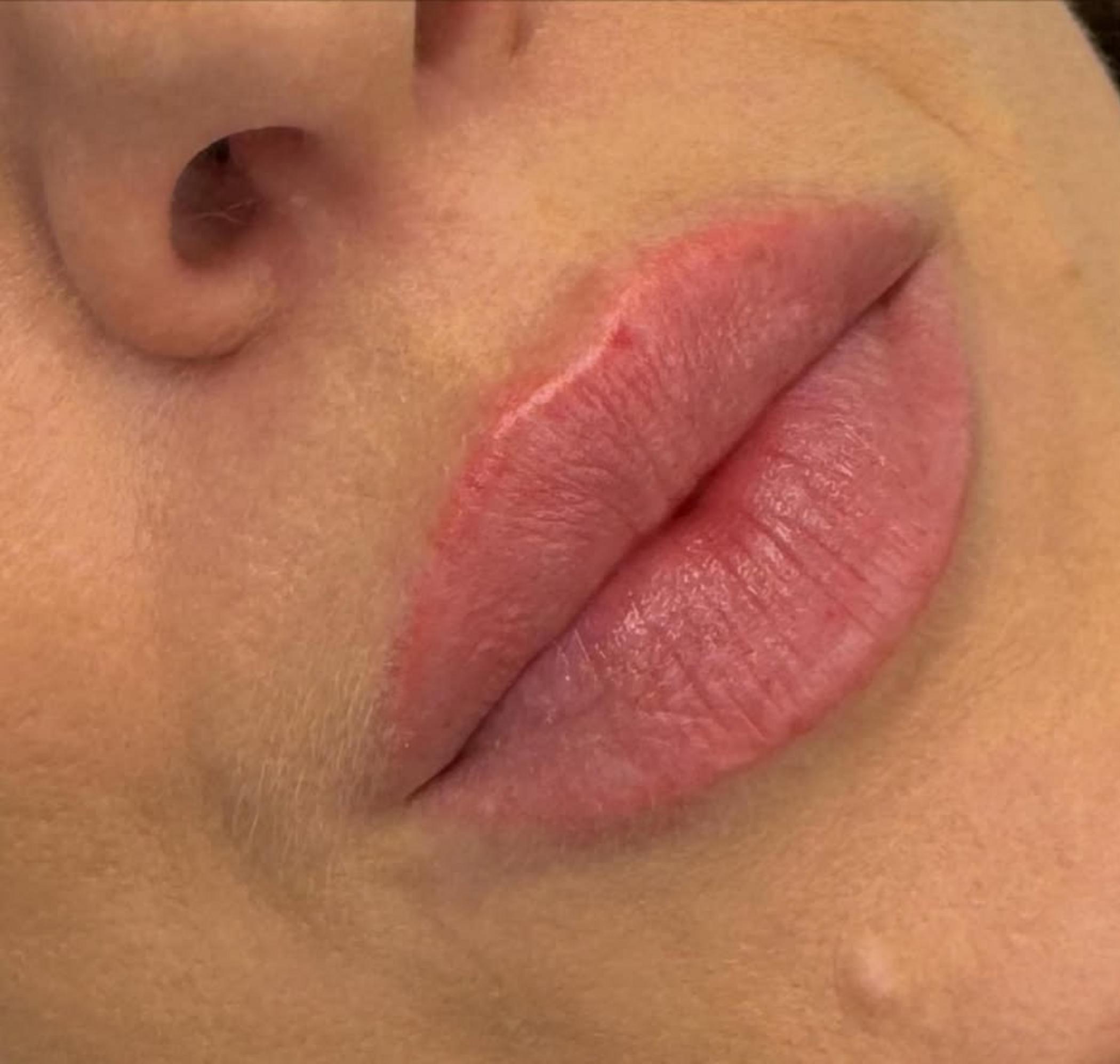
The thing is, if you know what’s going on with certain products, aftercare becomes so much easier. The problem isn’t just irritation – it’s that healing lip skin is super thin, vulnerable, and desperately trying to hold onto that implanted pigment while rebuilding its surface.
When clients ask me about what to avoid after lip blush, I tell them this: if it tingles, peels, strips, or smells like a minty explosion, it’s probably not a good idea to put it on your lips.
Exfoliation Can Pull Colour
AHAs, BHAs, fruit enzymes, scrubs, and retinoids are all great in a normal skincare routine. Still, during lip tattoo healing, they can actually loosen the fragile surface of your lips before it’s ready – and that can lead to patchy healing and poor retention.
That’s why I recommend that my clients steer clear of retinol after lip tattoo procedures and avoid AHAs and BHAs after lip blushing, even if you apply them around the mouth rather than directly on the lips. Skincare can migrate to other parts of your face, so it’s best to be careful.
Irritants Can Trigger Inflammation
Menthol, camphor, cinnamon, peppermint, fragrance, and some essential oils can be absolute nasties on healing skin. And what really gets me is that people always think that a “tingly” product is a sign that it’s working. On healing tattooed lips, tingle often just means irritation – and irritation is the last thing you need during the flaking stage.
Common Culprits At Home
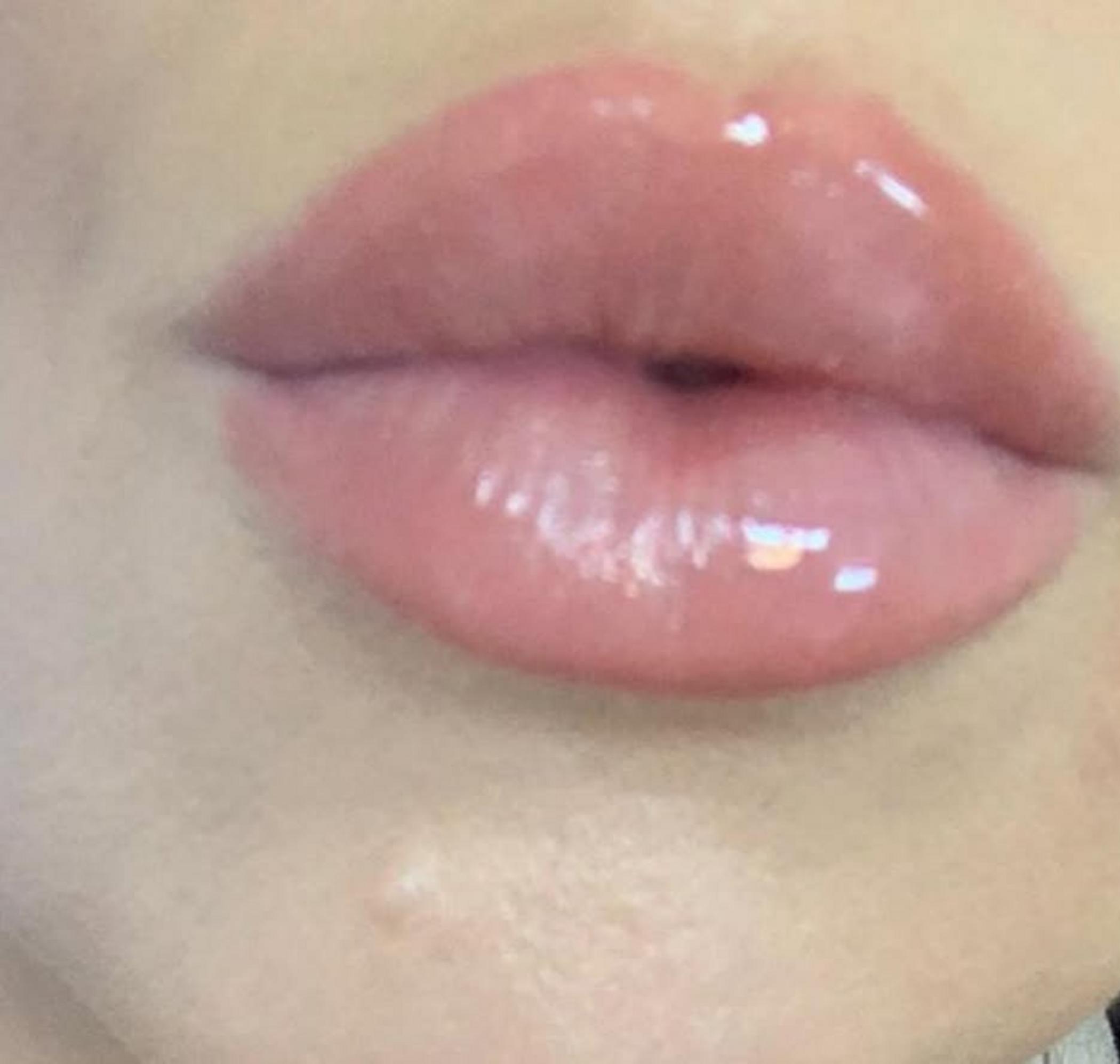
This is where real life starts to get in the way. More often than not its not the treatment itself that causes problems after a day or two – its just the usual bathroom routine that causes issues. Face wash, serums, lip products, sunscreen and toothpaste all have a pretty good chance of being splattered near the lips several times a day.
At Face Figurati, we make sure to give our clients very clear Aquarelle lips aftercare because its surprising how easily tiny product habits can mess up the healed outcome.
Face Products That Drift Down
Be on the lookout for active serums and treatment pads, such as strong vitamin C formulas and exfoliating products by brands like Dr Dennis Gross. Just because they aren’t being applied directly to the lips doesn’t mean they wont wander down there – besides the odd product sitting around the mouth, our bodies (through sweat/sleep / just going about our day) can easily move them onto the healing skin.
And then there are harsh cleansers and sulphates, which can dry out the area pretty rapidly. Wash gently, make sure not to get product residue on your lips, and just pat them dry with a clean disposable tissue or a fresh part of the towel.
Toothpaste And SPF Mistakes
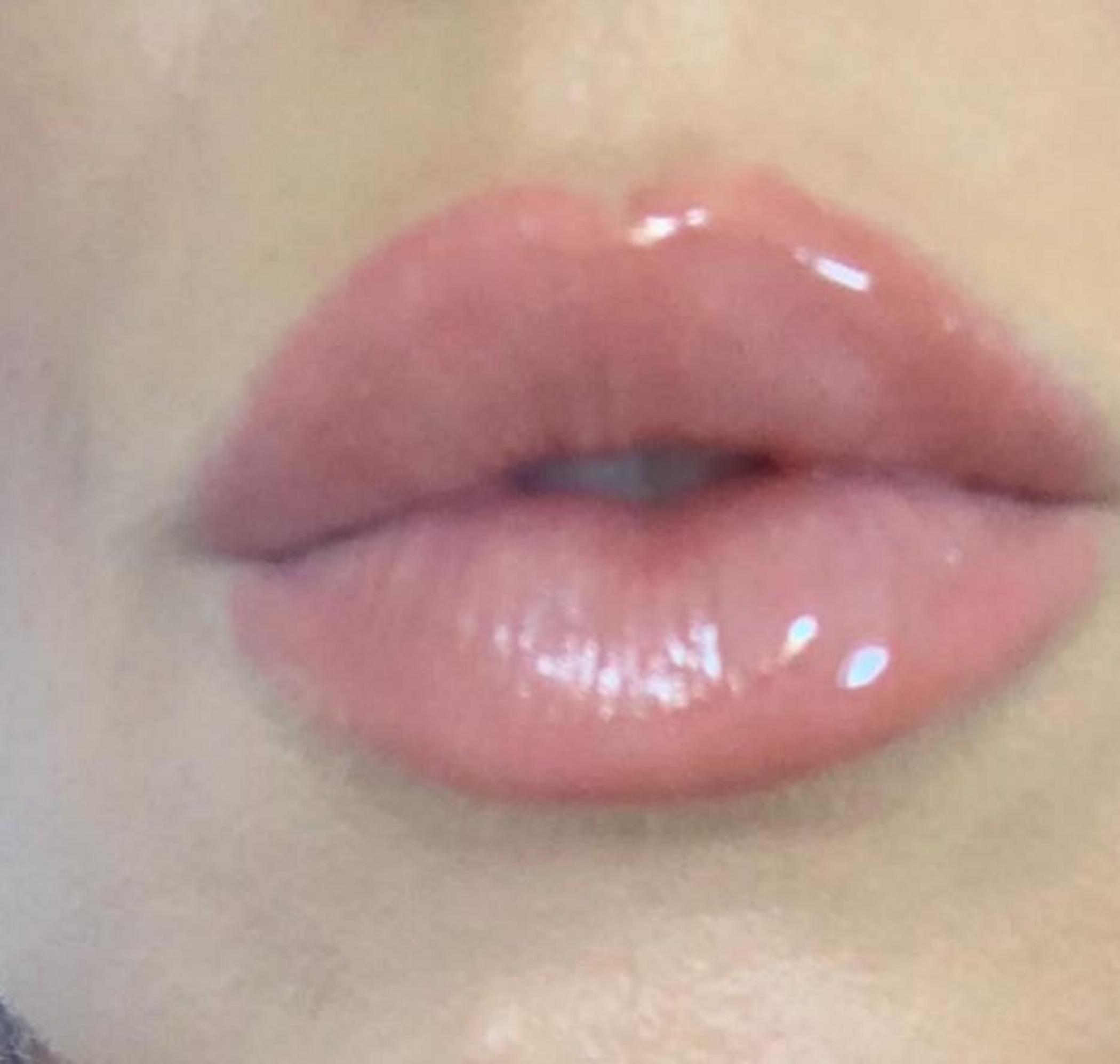
Whitening toothpaste – a sneaky irritant if you will. Minty, foamy formulas can leave a residue that dries out the area or makes it sting. If brushing is making your lips feel tight afterwards, just rinse them off carefully and keep the area clean. This is an extremely common mistake that people still get wrong time after time.
As for sunscreen, avoid applying chemical sunscreens to flaking lips. Once they’re fully healed, mineral sunscreens like zinc oxide are generally the safer option for ongoing lip aftercare, especially in places like Melbourne, where the UV exposure can be pretty harsh even on cooler days.
Petroleum Products Need Context
Now for the bit where most people get confused – petroleum jelly lip tattoo advice. You’ll hear “keep it moist” from one place and “never use occlusives” from another. The truth is – its a bit more complicated than that.
In my studio practice, I’m not in the habit of automatically labelling Vaseline, Aquaphor, or similar occlusives as good or bad. It all depends on the timing, product formula, how much you use and what your artist specifically told you to do.
When Occlusives Help Or Harm
A thin layer of a studio-approved healing balm might actually help protect those lips from cracking. But applying a thick layer too often can end up over-softening the flakes, trap heat and debris, and make you want to go and touch your lips more – not what you want.
Here’s a practical guide I’m used to giving to clients:
| Product Type | During the Flaking Stage | Main Concern |
| Retinoids / Retinol | Avoid | Premature exfoliation |
| AHAs / BHAs / Enzymes | Avoid | Colour loss and irritation |
| Menthol / Camphor Balms | Avoid | Stinging and inflammation |
| Vaseline / Aquaphor | Only if the artist advises | Over-occlusion if overused |
| Mineral Balm | Usually preferred | Use clean hands or an applicator |
| Chemical Sunscreen | Avoid on unhealed skin | Irritation |
In my experience, the safest approach is to stick with the balm that your artist has recommended and use it in moderation – more product won’t magically speed up the healing process. I wish people could be reminded of that every single time they look in the mirror.
Safer Care That Supports Healing
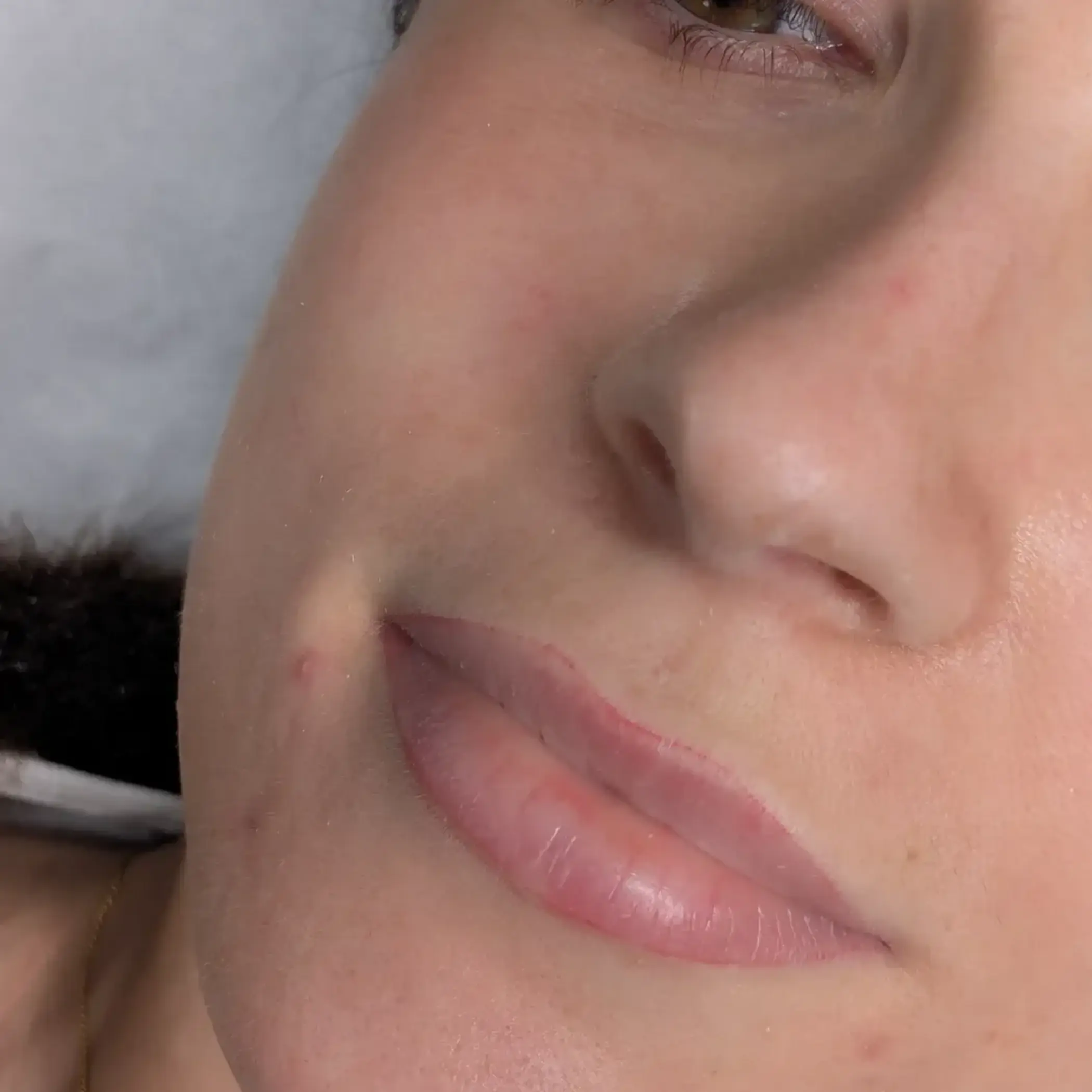
The ideal routine is straightforward, clean, and realistic. If there’s one thing to take away from all of this, it’s this, though: clean lips, clean hands, using the right balm – and for goodness sake, stop picking at your lips.
Most people find they can get back to work or social plans pretty quickly because lip blushing isn’t a treatment that leaves you stuck at home, but your lips will probably look like they’re in the healing process. That’s normal. One session might improve things, but if you’re only having one go, you should expect to need a touch-up after 6 to 10 weeks to achieve the best balance of colour and shape.
Simple Aftercare Checklist
Only use your studio-approved balm with clean hands – or if you absolutely have to, a cotton tip will do.
Try to avoid using any active skincare products or lip plumpers near the treated area while your lips are still healing.
Do your best to keep toothpaste, foaming cleansers, and greasy food away from your lips.
Don’t, whatever you do, start picking at flakes or scrubbing away at dry patches.
Once your lips are fully healed, switch to a mineral SPF product to protect them.
Healing Timing In Real Life
A lip tattoo appointment at Cosmetic Tattoo Studio Melbourne Face Figurati typically takes around 2-3 hours, including the consult, mapping, numbing, and a chat about aftercare. The pricing at our Melbourne studio is roughly between $450 and $900 AUD – exactly how much will depend on the specific artist you see, the quality of the pigment used, and whether any correction work was involved.
We’ve been keeping an eye on this: it seems that people who follow good aftercare habits are a lot more likely to end up with even, healthy results. In a studio setting, it’s pretty clear that clients who avoid troublemakers like harsh skincare products near the mouth and leave their lips alone to heal are usually in a much better spot than those who think a tiny bit of ‘active skincare’ is okay.
| Healing Window | What You May Notice | Best Approach |
| Days 1-2 | Swelling, stronger colour | Keep clean and calm |
| Days 3-5 | Dryness, the flaking stage begins | No picking, no activities |
| Days 5-10 | Patchy lightness | Stay patient |
| Weeks 4-8 | Colour settles | Review if touch-up is needed |
Keep It Calm And Consistent
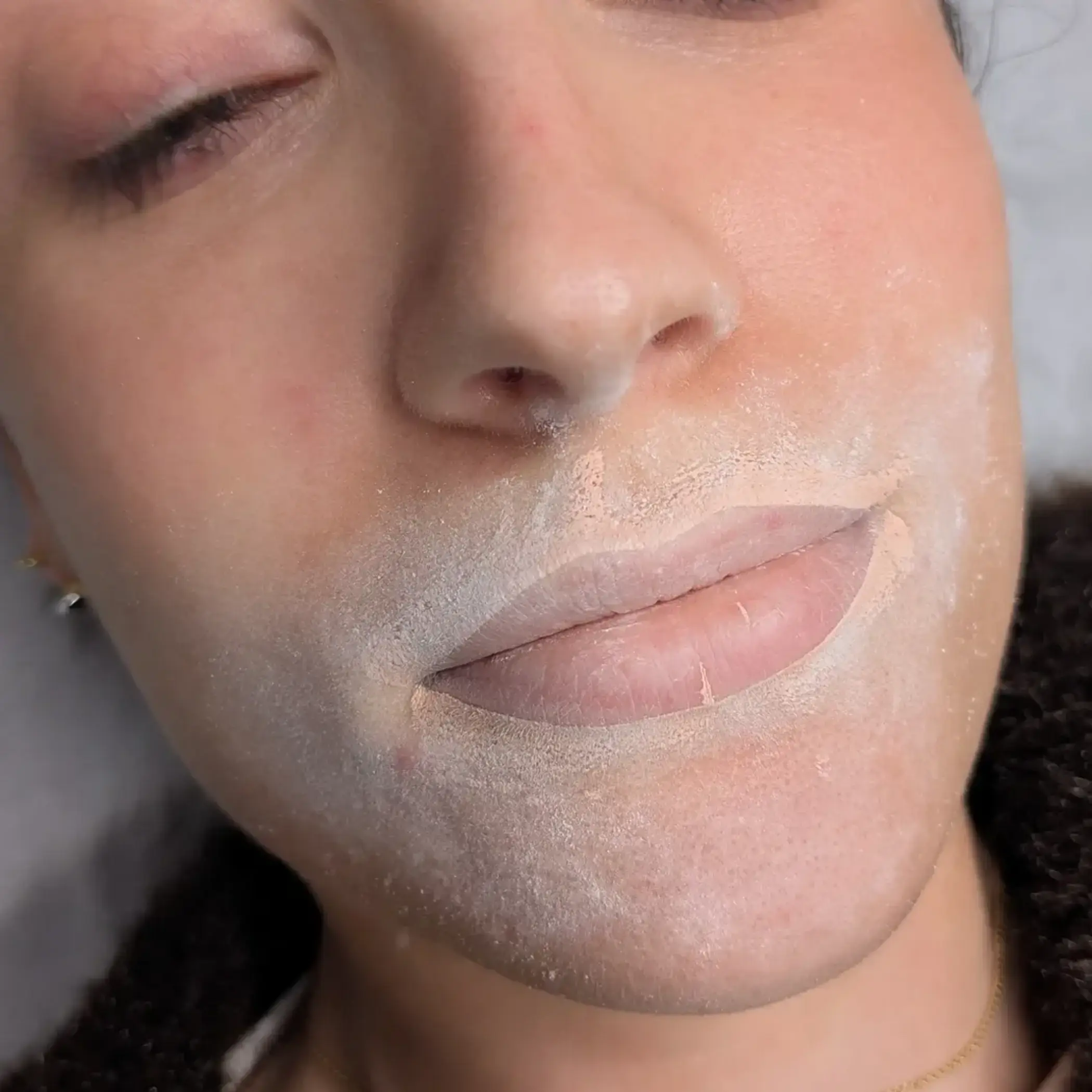
If your lips are all flaky, now is the time to chill out & not overdo it with loads of products. The safest answer to what to avoid with lip flaking after a tattoo is to skip any products that might be a bit harsh – that means no exfoliating scrubs, retinoids, irritants, strong stuff and random lip balms unless your artist has told you its okay.
At Face Figurati, I’m working on a bespoke aftercare plan for every client, as age, any sensitivity issues, lifestyle, and Melbourne’s weather all play a part in how your lips heal. Still unsure whether that particular product is safe for you? Easy, just give Face Figurati a call, I’ll walk you through it before you end up with a lip balm that actually sets your healing back.
FAQ
Can I Use Vaseline On My Aquarelle Lips When They’re Flaking?
Only if your artist said its okay, you know – a thick layer of Vaseline can end up making the flakiness worse and mess with the healing process.
When Can I Go Back To Using Retinol On My Lips?
Only once your lips have fully healed and the surface feels normal again. Then you can introduce retinol back into your routine – but be careful & start with a tiny amount, don’t apply it directly to the lips initially.
Why Should I Avoid Using Minty Lip Balms?
Minty lip balms often contain menthol or camphor, which can sting and irritate the healing skin.
What Is The 4 2 4 Rule, You Ask?
Well its a cleansing method that uses an oil cleanse, a foam cleanse, followed by a rinse and its a good way to keep your skin clean, but it’s not suitable for freshly healed lip tattoos, as all that cleansing and rubbing can irritate the area.
What Is The 1% Rule, Then?
Generally its about starting with strong actives at a low dose and gradually increasing, but for healing lips, the best thing is to stick to no active skincare at all until you’re fully recovered.