If you’re wondering how long the Aquarelle lip ghosting phase lasts – don’t worry, I’ve got the good news upfront: for most clients, the colour just kinda disappears for around 3 to 10 days, usually somewhere within those 5-14 lip healing days. But honestly, in normal cases, the pigment starts to resurface again by the end of two weeks or sometime in weeks 3 or 4, and you can basically take it as a given that 6-8 weeks after your appointment, your lips will finally be a fully healed shade
I’m Olha Po, and guess what – I’ve got a steady stream of worried emails coming in at Cosmetic Tattoo Studio Melbourne Face Figurati… “My lip colour has gone and disappeared – is something wrong”? No, not usually. The ghosting stage is just a normal bit of the healing process for Aquarelle lips, but it catches people off guard – and I get that. People are like, “I paid good money, I followed the aftercare, and now my fresh tint has just vanished”
Getting The Right Expectations
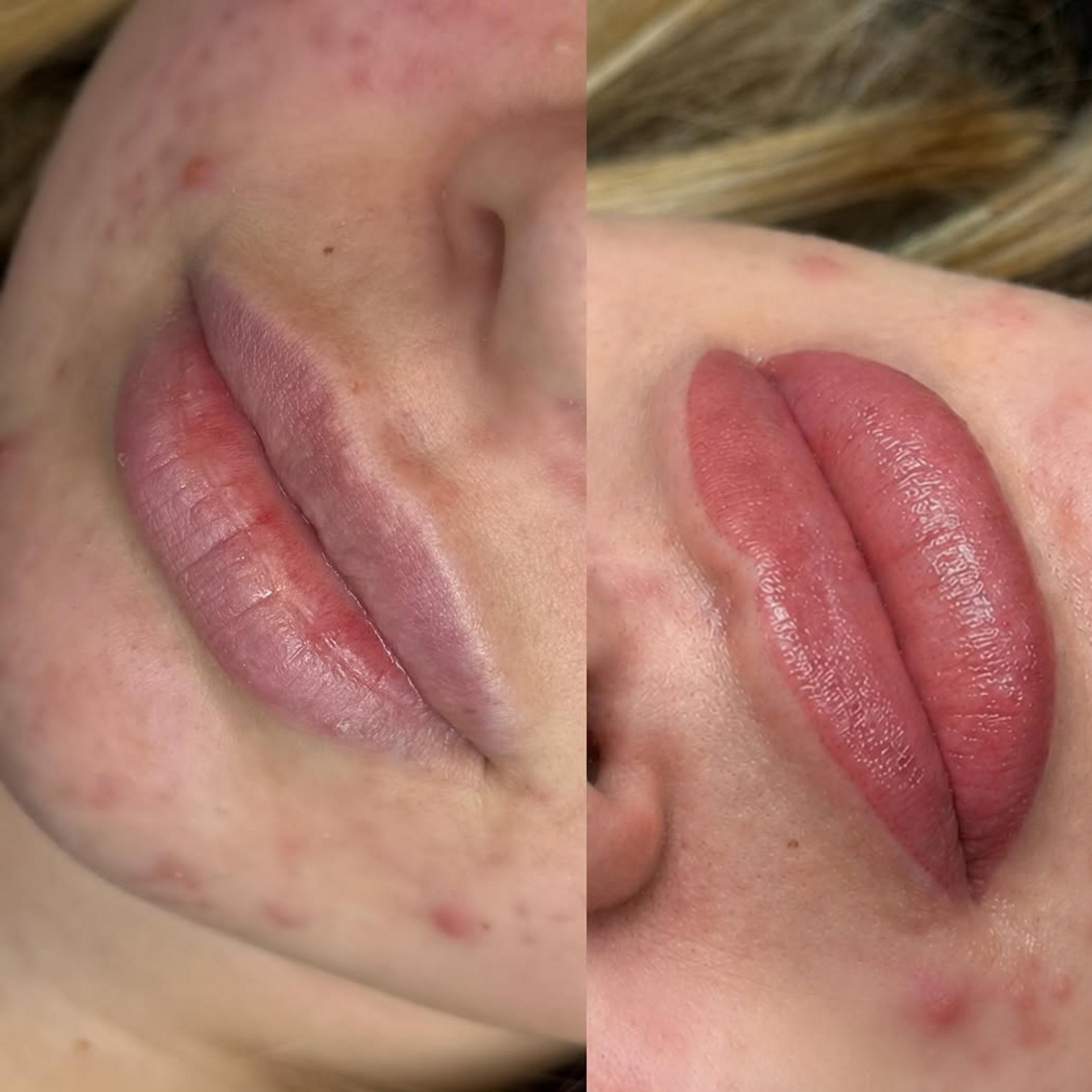
A lot of people come to the wrong assumption about Aquarelle, Aquarelle Lips, and Lip Blush healing – which is that its a straight line, and it’s not. Its a process that happens in stages – and the middle part can look, well, a bit weird before its looking good.
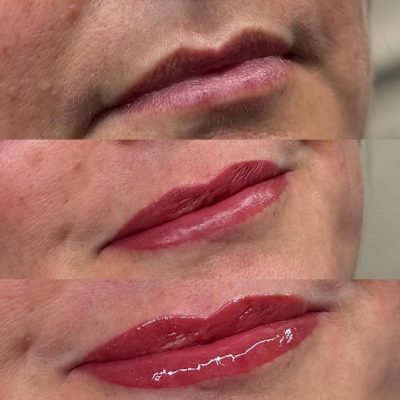
At my studio, Face Figurati, we get that one covered before every booking because what most people get wrong is assuming day 1 is the final colour. Its not. In the first few days, your lips often look a bit brighter, then softer, then patchy, then pale, and then they just calm down.
So What Does It All Mean?
The ghosting stage usually starts after the peeling stage, and its not usually more than a week, but sometimes it can be up to two. If your lips are healing cleanly and you don’t have any signs of infection, then this is all just part of normal lip pigment resurfacing.
Why Do The Colours Vanish
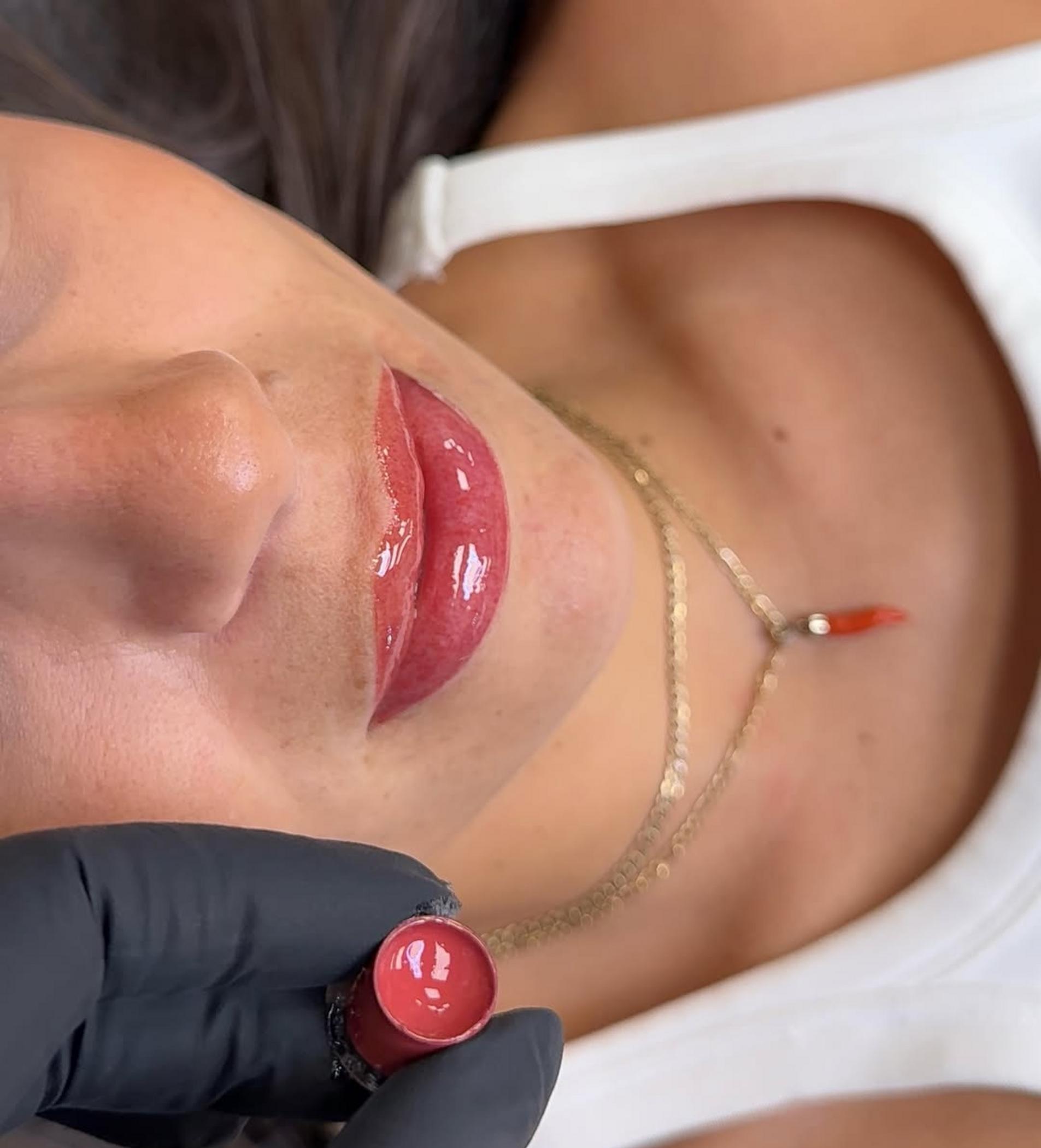
Let me tell you something that usually puts first-timers at ease. The colour just disappearing on you – its not your pigment falling out overnight – its your skin just healing over it.
As the lips repair, a new skin layer forms over the implanted pigment and that fresh layer can create a sort of milky film over the pigment, making the tone look all muffled and cloudy – or even invisible for a short period.
What Is Happening In The Body
Right after treatment, the pigment is just sitting there, visible as all get out. Then the swelling and peeling kick in, followed by some surface healing. Then the flaky stuff sheds, and the lip tissue just looks pale because the skin is still slightly opaque and tight, and that’s the ghosting stage.
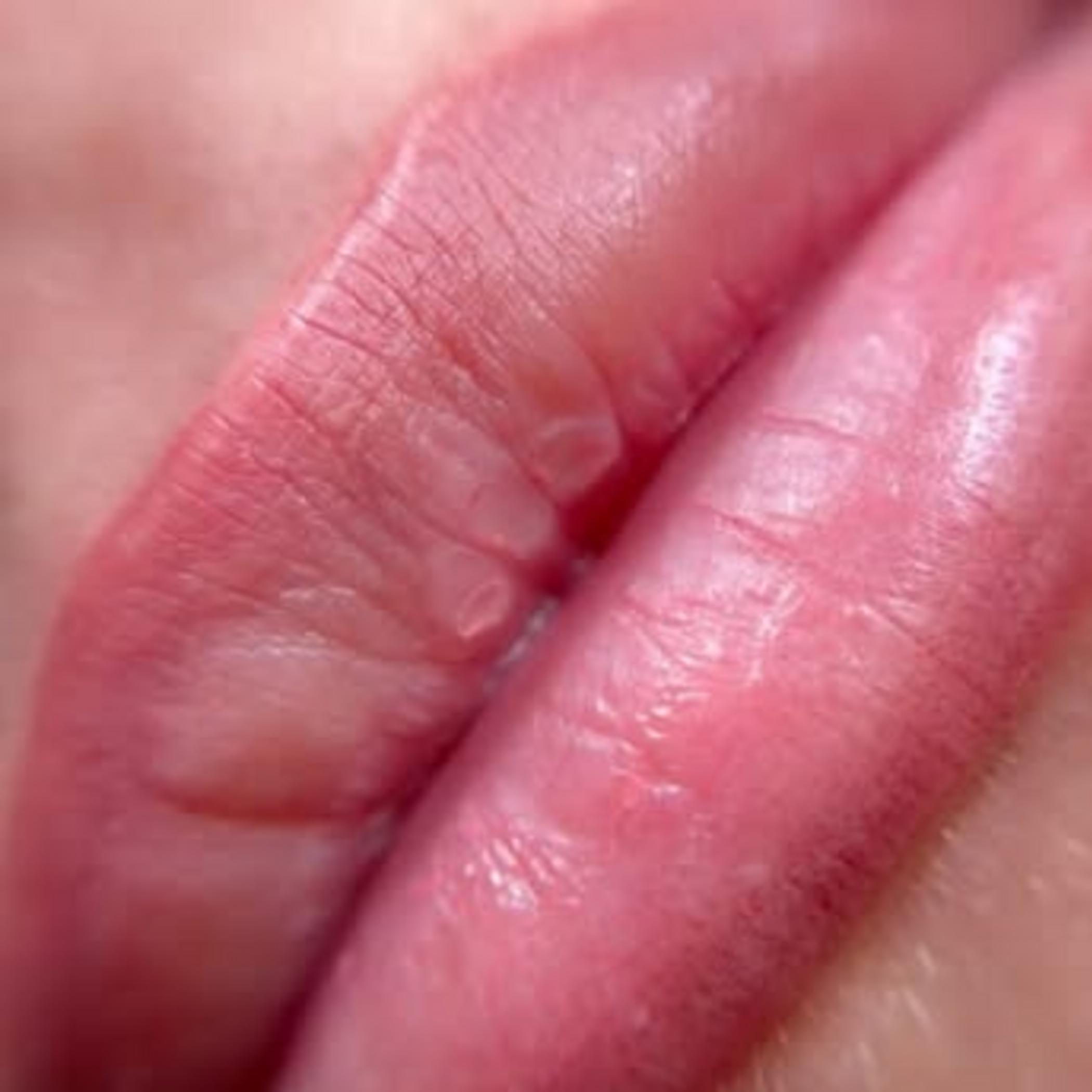
In the studio, I get to explain this all to clients – and I often compare it to looking at colour through frosted glass – its still there, but you can’t really see the true tone until the skin settles. Some clients with dry lips, sun exposure, iron deficiencies or who may not have stuck to the aftercare will notice this stage more than others.
Where It Shows Up in the Healing Process
The lip blush healing timeline has a bit of an ebb & flow. Knowing what to expect can save you from freaking out and sending your technician a blurry bathroom selfie taken with the worst lighting imaginable – which, trust me, happens way more often than it should.
Melbourne’s climate has a pretty big impact on the healing process. On a bad day, it can be the wind, a heater blasting in winter, or some serious UV in the warmer months that dries out your lips and makes healing feel way more intense than it needs to be – even when it’s all still within normal limits.
Typical Stage-by-Stage Flow
| Healing Period | What You Usually See | What It Means |
| Days 1-2 | Brighter colour, mild swelling | Fresh pigment is sitting visibly in the skin |
| Days 3-5 | Tightness, dryness, light flaking | Early lip tattoo peeling stages begin |
| Days 5-14 | Patchiness or very light colour | Common ghosting stage during surface healing |
| Weeks 3-4 | Colour starts returning softly | Pigment resurfacing becomes more visible |
| Weeks 6-8 | More even, healed tone | Best time to judge pigment retention |
From what we see in real life, most clients follow this general timeline. Healing time can vary greatly depending on how your skin is doing to start with, how well you look after yourself after the treatment, whether you smoke, how much sun you get, whether you drink enough water, and your natural lip tone.
How Long Does It Actually Take To Heal
So how long does the whole ‘ghosting’ phase take in reality, you ask? Most of the time, it’s around 3 to 10 days. Some people may have a bit of colour lingering for a bit longer, up to two weeks, especially if the skin around their lips is dry, they heal slowly, or they chose a very subtle natural shade for the treatment.
Here at Face Figurati, I remind my clients that softer styles like Aquarelle are meant to look airy and natural. If you go for something subtle rather than bold, the ghosting phase can feel a lot more dramatic because the end goal isn’t a super-opaque lipstick look.
The Things That Usually Catch Clients Off Guard
The biggest surprise is that one treatment will probably not show you the final result straight away. Lip Blush trends have shifted towards softer, more natural tones, but softer work often requires a follow-up session to get the colour just right and ensure it’s evenly balanced. That doesn’t mean the first session has failed.
Another thing people usually underestimate is how long the whole appointment will take. A first session can take anywhere from 2.5 to 3 hours from start to finish – that’s including consultation, getting the area all numbed up, talking through the colour choice, and actually doing the treatment. Most people can get back to work the next day if they don’t mind a bit of dryness, but personally, I would advise avoiding any major social events for 3-5 days if you’re worried about flaking.
When The Colour Finally Comes Back
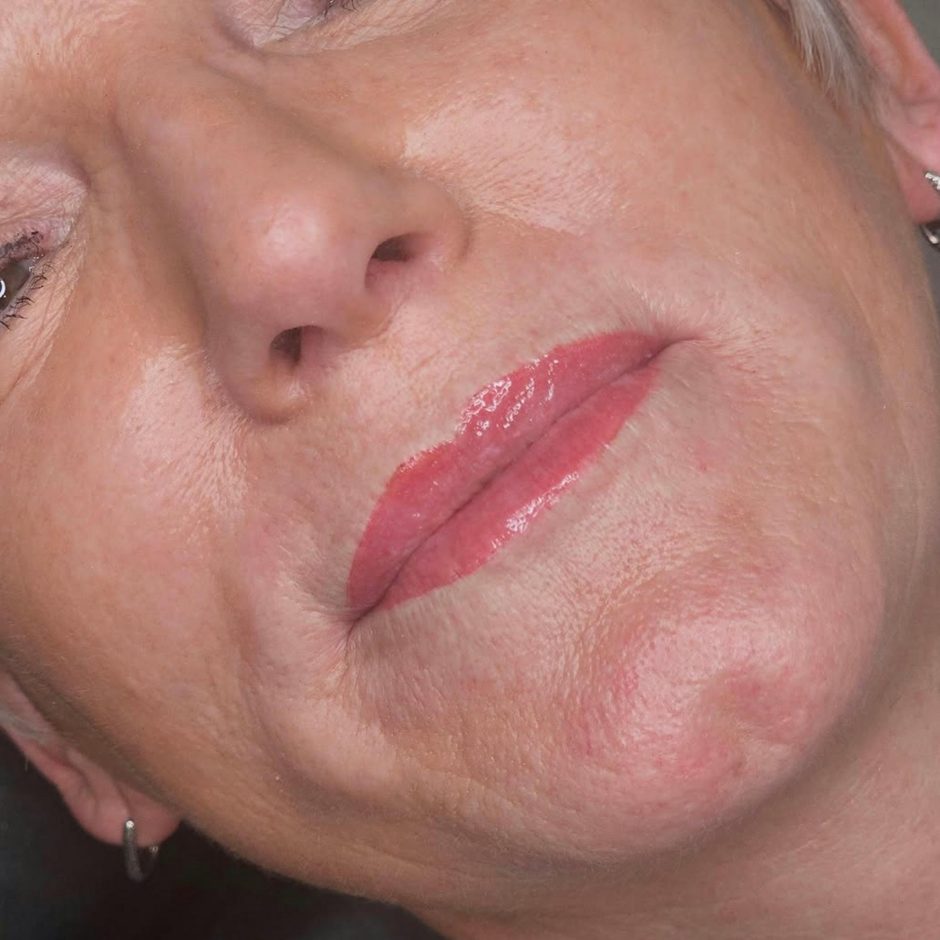
The colour won’t actually look like it’s settled on your lips right away after it’s peeled off. Most of the time, it takes a few weeks for the lip pigment to really start to show through again. You should probably wait 6-8 weeks after the treatment before you even consider judging the final result or making any changes.
This is the area where experience really matters. Beginners often get it in their heads that instant results are the most important thing and can end up overworking the lips and causing even more trauma, which makes the healing process way more uneven than it needs to be. An experienced artist will know that the healed result matters most, not just a photo taken right after the treatment.
Reality vs Expectations
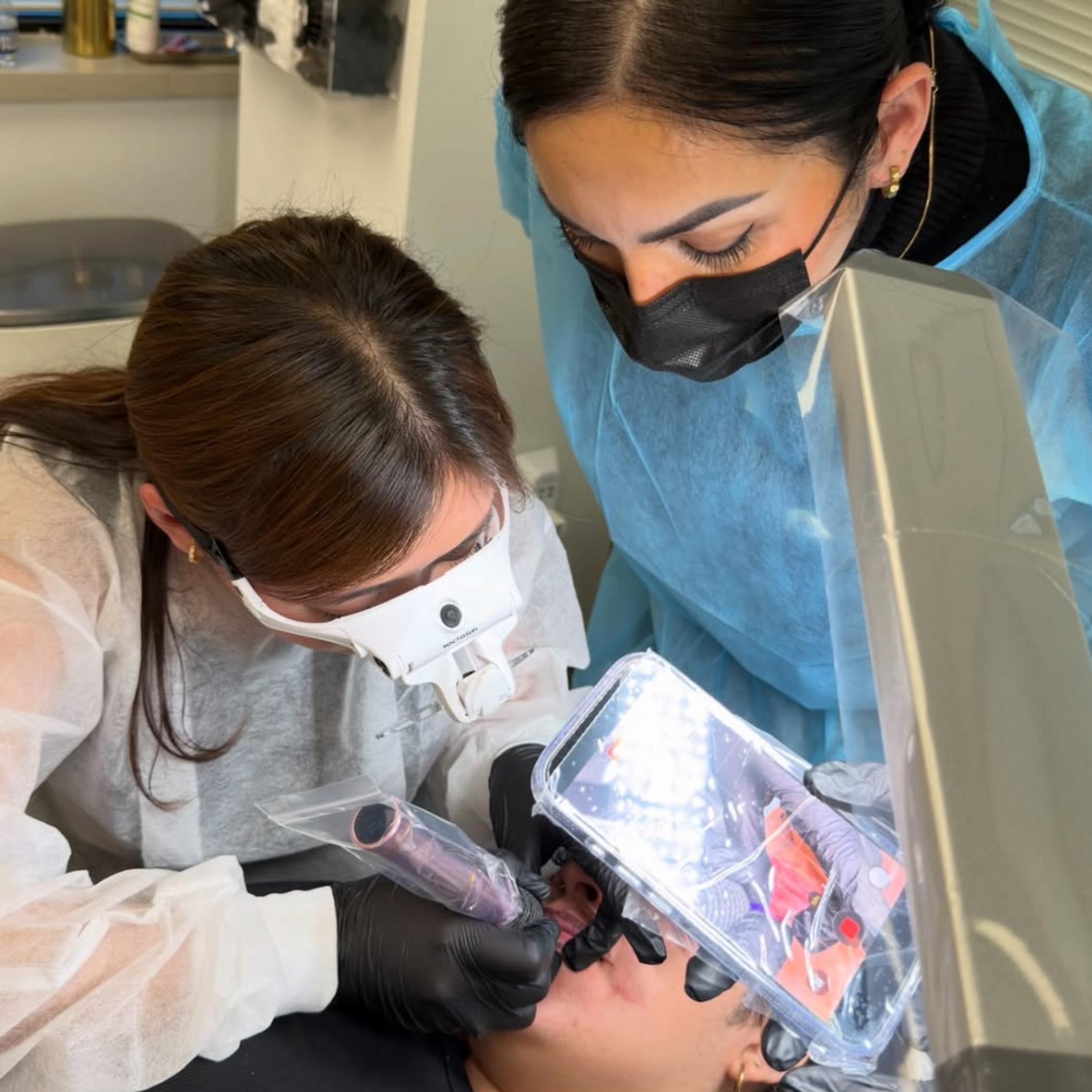
Expectation: this is how it’s meant to look on day one & that’s how it’ll always look. Reality: most of the time, fresh colour will look much softer than it did straight after the treatment. Expectation: if the colour fades a bit during the healing process, then it’s gone for good. Reality: it’s actually really common for the colour to lighten up for a bit, and then magically come back looking even better than it did to start with.
I had one client in particular who had a weird uneven lip tone and was sensitive to any new cosmetics – by day 8, her lips were looking almost bare again. But by week 4, the healed result was back to looking even and exactly as we had planned – soft, balanced and way more flattering than it looked at first.
Safety First – Protect Your Lip Blush Result
Good aftercare will make a big difference, but bad aftercare can seriously mess things up. This is the bit where people either do their part to help the healing process along – or accidentally make life harder.
Here’s the lowdown I give my Melbourne clients, especially when it’s winter or one of those super-sunny weekends, and everyone suddenly remembers they’ve got outdoor plans coming up.
Keep those lips clean and use the aftercare cream the artist who did your lip blush recommended.
Don’t go picking at peeling skin or scrubbing your lips with a harsh cloth – that’s just asking for trouble.
Give those lips a break for a bit and avoid spicy food, heavy kissing, pools, saunas, and any super-intense workouts for a while.
If you need to drink something that’s likely to irritate your lips, use a straw if your artist says that’s a good idea.
Keep the sun off your lips, especially in summer.
Who Shouldn’t Get Treatment Just Yet
Not everyone is ready for lip blush on the same day, and it’s not always a good idea. I reschedule clients who’ve got active cold sores, cracked lips, or are fighting off some kind of bug. And clients who’ve recently had injectables too close to the area, or have unrealistic expectations about what one session can achieve, are best left for another time. We also have to take extra precautions for clients with certain medical conditions or allergies, or who’ve had prior work that’s severely damaged their lips.
Melbourne pricing for lip blush in Australia usually ranges from about AUD 450 right up to AUD 900 for a standard treatment – and if you need to come in for any corrections later on, that’s likely to cost even more. Cost will always depend on the artist’s level of experience, the quality of the pigment, how skilled they are at mapping the design, how tricky the correction will be, and whether you’re paying for a touch-up separately or it’s included in the overall price.
Know When To Get In Touch
Some things that happen during the healing process are completely normal; others are a cause for concern. Knowing the difference can save you a lot of stress and help protect your result.
Get in touch with your technician if you notice any signs of infection – spreading redness, heat, pus, severe swelling, or pain that gets worse rather than better. And if you’re just doing one session, a good time to come back in for a touch-up is usually around 6-8 weeks, once your lips have had a chance to settle and we can get a good idea of what really needs refining.
Why Following Up Matters
If you only do one session, you can expect to see some improvement in tone and shape, but not necessarily perfect density. In the first session, you usually want to focus on getting the shape and evenness right. We can worry about density and balance a bit later on.
At Cosmetic Tattoo Studio Melbourne Face Figurati, we’d rather take the time to get things right and do a better job of healing your lips than rush ahead and try to get too much pigment in there too quickly. If you’re interested in lip neutralization melbourne, that way, you’ll usually end up with a cleaner, longer-lasting result.
What’s Next
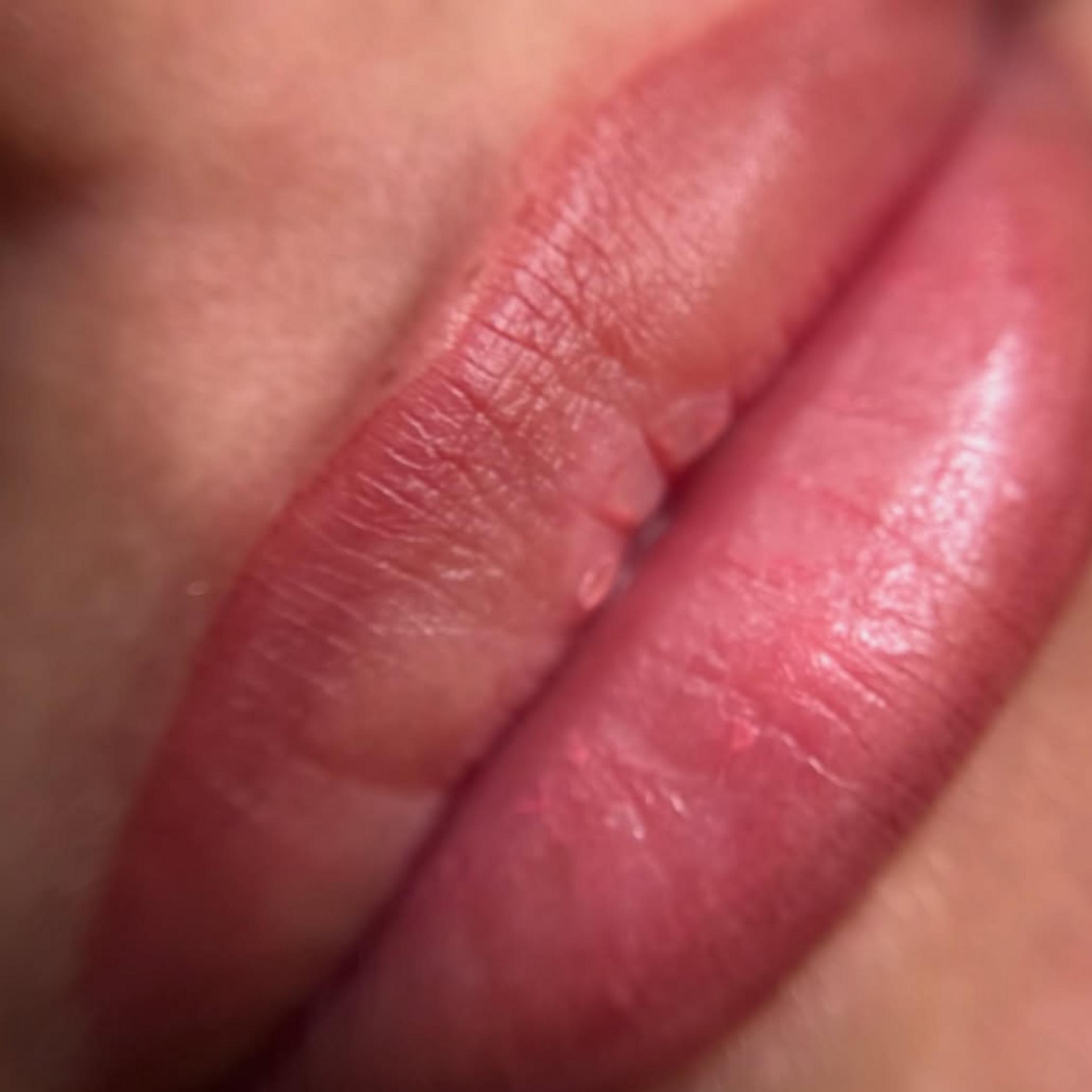
The ghosting phase with Aquarelle lips is pretty normal. It’s usually just a temporary blip, and it doesn’t last long – you’re looking at a few days to a couple of weeks if you’re unlucky before the pigment starts coming back in and looking clearer.
If you’re still not confident that your healing is on track, give Face Figurati a shout, and we can go through it together. Want to see what a real healed lip blush actually looks like? Take a look at our client results gallery – seeing how it’s supposed to look after healing, rather than straight after, really makes the difference.
FAQ
How long do you have to put up with the ghosting stage after getting a lip blush?
Generally, its 3 to 10 days, though some people go around 2 weeks – it really does vary.
How long will it take for your lip blush to fully heal and look its best?
Generally, the surface looks good after 10-14 days, but it can take 3-4 weeks for the colour to become really clear, and by 6-8 weeks it will have settled into the finished look.
What happens when lip blushing fades over time?
Normally, it just gets softer gradually. If you want to get some of that original pop back, we can do a touch-up session to refresh your lip shape, tone or pigment.
Do your lips always peel after lip blushing?
Not always, some people just get a bit of dryness or slight flaking going on, but peeling can vary.
When should you start to get worried about patchy healing?
Not in the early stages when the ghosting is happening. Get in touch with your artist if patchiness persists after 6-8 weeks, or if you notice any signs that look a bit dodgy.