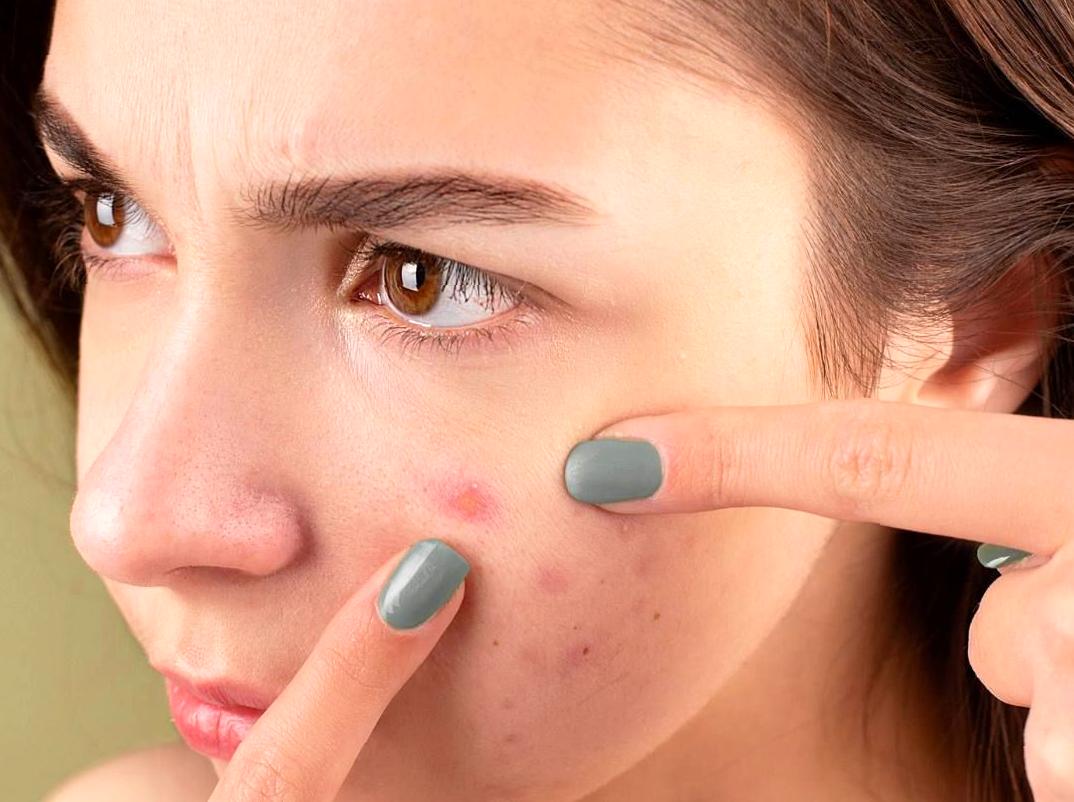
Acne-prone skin requires special care to manage breakouts and maintain a clear complexion. The key to effective acne treatment lies in understanding your skin type, using the right products, and adopting a consistent skincare routine. This article will guide you through actionable steps to treat acne-prone skin effectively, as well as provide insights into ingredient selection, lifestyle changes, and professional treatments.

Understanding Acne and Its Causes
To effectively treat acne-prone skin, it’s essential to understand what causes acne. Acne is primarily caused by the overproduction of oil in the skin, which clogs pores and leads to bacteria build-up. Hormonal fluctuations, particularly during puberty, menstruation, and stress, can amplify oil production, worsening breakouts. Other factors include genetics, certain medications, and the use of comedogenic (pore-clogging) makeup. Identifying the root cause of acne in your specific situation can significantly influence your treatment approach.
The skin has a natural biome, and any disruption to this balance can result in acne flare-ups. Therefore, caring for your skin while supporting this biome is crucial. Additionally, lifestyle factors such as diet, smoking, and lack of sleep can also contribute to acne, suggesting that a holistic approach is necessary for effective management. This understanding sets the foundation for better treatment decisions tailored for acne-prone skin.

Skincare Routine for Acne-Prone Skin
Establishing a consistent skincare routine is vital in managing acne-prone skin. Here’s a basic regimen to follow:
- Cleanser: Use a gentle, non-comedogenic cleanser twice daily to remove dirt and excess oil without stripping away natural moisture.
- Toner: Choosing a toner with salicylic acid can help unclog pores and minimize their appearance.
- Moisturizer: Opt for an oil-free, hydrating moisturizer that won’t contribute to breakouts.
- Treatment Products: Incorporate acne treatments containing benzoyl peroxide or retinoids to target active blemishes and prevent new ones.
- Sunscreen: Protect your skin daily with a non-comedogenic sunscreen, as some acne medications can increase sun sensitivity.
This basic routine can be adjusted according to individual needs and the severity of acne. It’s important to introduce products gradually to monitor skin reactions. Over-exfoliating or over-treating can irritate the skin and cause more breakouts. Remember that consistency is key; results often take time to become noticeable, so patience is crucial.
Choosing the Right Ingredients

When treating acne-prone skin, selecting the right ingredients can make all the difference. Ingredients that help manage acne work by exfoliating the skin, unclogging pores, reducing inflammation, or regulating oil production. Here are some beneficial ingredients to consider:
- Salicylic Acid: A beta hydroxy acid that penetrates the pores, effectively breaking down debris that causes clogged pores.
- Benzoyl Peroxide: Targets bacteria responsible for acne and helps reduce inflammation.
- Niacinamide: A form of vitamin B3 that helps reduce the appearance of pores and control inflammation.
- Retinoids: Vitamin A derivatives that promote cell turnover and prevent clogged pores.
- AHA and BHA: Alpha Hydroxy Acids and Beta Hydroxy Acids help exfoliate the skin surface, preventing breakouts.
It is crucial to introduce these ingredients carefully and to avoid using multiple strong treatments simultaneously, as they can lead to irritation. Consulting with a dermatologist can help tailor a regimen that fits your specific skin type and needs. Always patch test new products to ensure they do not provoke an adverse reaction.
Lifestyle Changes to Improve Acne-Prone Skin
Adopting a holistic approach involving lifestyle changes can significantly impact the health of your skin. Here are several changes to consider:
- Balanced Diet: Consume a diet rich in whole foods, including fruits, vegetables, lean proteins, and healthy fats. Limiting processed foods and sugars can improve skin health.
- Stay Hydrated: Drinking adequate amounts of water helps maintain skin’s hydration and can assist in clearing toxins from the body.
- Regular Exercise: Engaging in physical activity promotes healthy blood circulation and helps to manage stress levels, both important in maintaining skin health.
- Stress Management: Techniques such as meditation, yoga, and proper sleep hygiene can help in reducing stress-induced acne.
- Avoid Touching Your Face: Keep hands off your face to prevent transferring bacteria and oils to your skin.
These lifestyle modifications work synergistically with topical treatments to promote clearer skin and overall wellbeing. Making these changes can be a transformative step toward managing acne-prone skin in the long run.

Conclusion
Treating acne-prone skin requires a combination of understanding the causes, establishing a proper skincare routine, selecting the right ingredients, and making beneficial lifestyle changes. With consistency and patience, it is entirely possible to achieve clearer skin and boost your confidence. Partnering with a dermatologist can provide personalized recommendations and support throughout your journey to healthier skin, ensuring you find the ideal balance between treatment and protection.
Frequently Asked Questions (FAQs)
Yes, certain foods, particularly those high in sugar and dairy, can potentially trigger acne in some individuals. A balanced diet rich in whole foods can promote better skin health.
2. Is it okay to use makeup if I have acne-prone skin?
Yes, but it’s important to choose non-comedogenic makeup products that won’t clog your pores. Always remove makeup thoroughly before sleeping.
3. How long does it take for acne treatments to work?
Results can vary, but most people start seeing improvements within 4 to 6 weeks of consistent use of the treatment. Patience is vital.
4. Should I exfoliate my acne-prone skin?
Yes, gentle exfoliation can help remove dead skin cells and prevent clogged pores. However, avoid over-exfoliating, as this can irritate the skin.
5. When should I see a dermatologist for acne?
If your acne is persistent, painful, or causing emotional distress, or if over-the-counter treatments are ineffective, it’s advisable to see a dermatologist for tailored treatment options.