Aquarelle pigment migration does happen, but it’s usually a sign of inexperience on the part of the artist – and often completely preventable with proper technique. If you’re worried about the Aquarelle method causing pigment to ‘bleed’ outside the natural lip line, well, the main reasons that happen are down to poor placement, overlining on skin that’s not suitable, aftercare that’s not up to scratch, and trying to tackle lips that just aren’t in a good enough state on the day.
I’m Olha Po, the founder of Cosmetic Tattoo Studio Melbourne Face Figurati, and I’ve been working in cosmetic tattooing in Melbourne since 2016. I’ve seen loads of beautiful Aquarelle results that healed perfectly – and I’ve also had to fix my fair share of lip blushing disasters from other places – the kind of thing where the lip tattoo edge is slightly wonky, or the colour’s got a weird ‘stain’ effect going on, or just generally looks like it’s in the wrong place. If you’re interested in permanent makeup, make sure to choose a qualified professional.
Let’s Talk Honestly
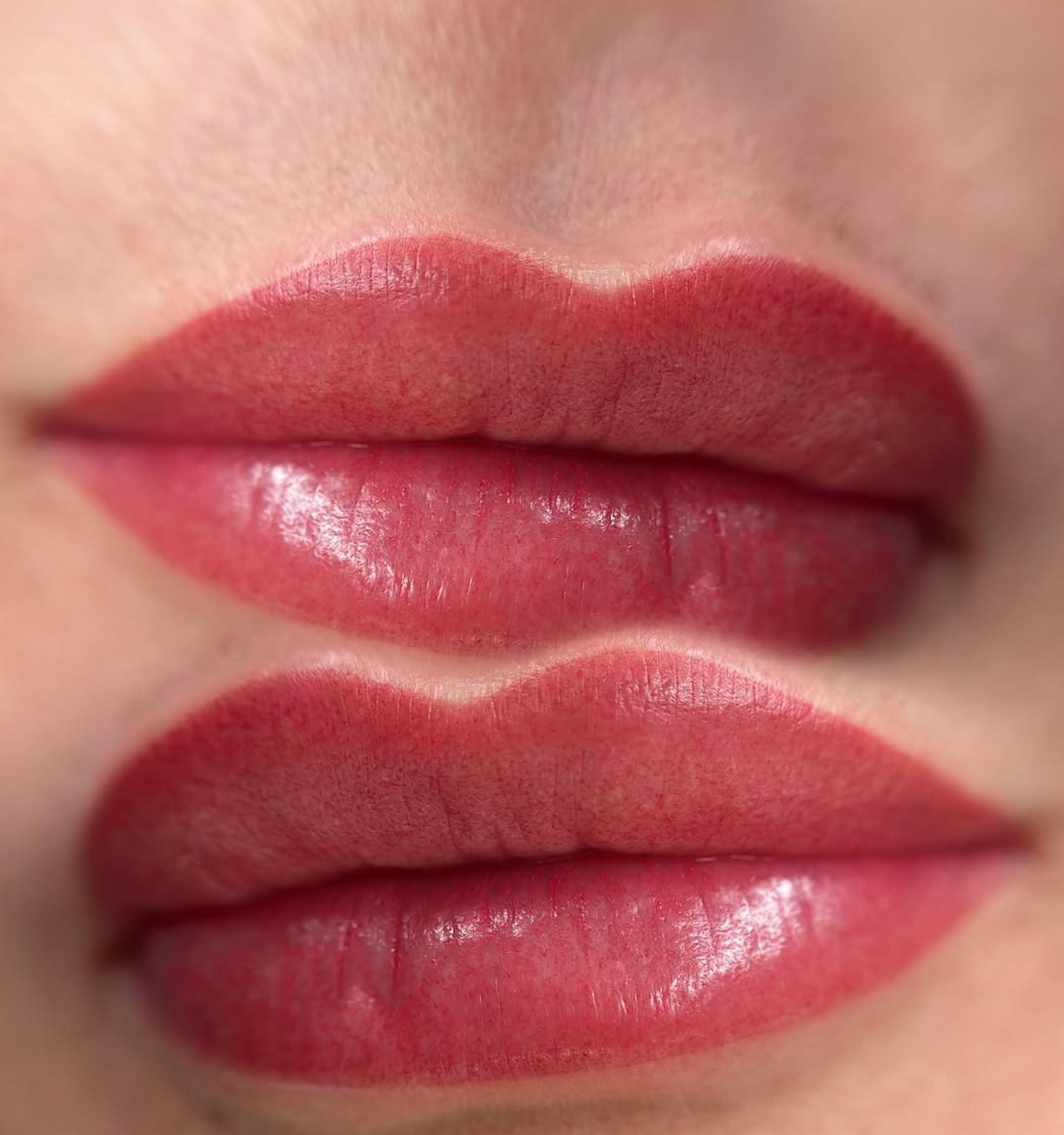
If you’re getting a lip blushing treatment for the first time, this is the question you should be asking yourself before you hand your lips over – and, let’s be honest, your trust. A soft, natural-looking wash of colour can look really great, but the thing is, lips are one of the trickiest bits to get right in cosmetic tattooing because the way the lip membrane and the surrounding skin behave just isn’t the same.
At Face Figurati, I’m more interested in giving you a straight answer than some smooth sales line. The aquarelle method can produce a lovely, natural-looking tint – but only if the artist knows what they’re doing and takes care to respect the natural lip shape, the right amount of pigment, and what the natural border looks like.
What Bleeding Really Means
When people say ‘bleeding’, what they usually mean is pigment migration – that Aquarelle-style business where the colour starts to seep out beyond the edge of the tattoo. It’s not the same as that post-treatment swelling – that goes down on its own. True migration leaves behind this soft, fuzzy shadow, or this weird ‘spaghetti stain’ effect, or some faint line outside the natural lip line after it’s all healed up.
Lip tattoo bleeding usually happens when the pigment gets implanted too deeply or pushed into the wrong bit of skin, or if you’re overlining and the colour just won’t hold its shape. The thing that catches people out is that it’s not always obvious right away – it can show up more clearly once the swelling has gone down and you can see the real outline of the lip tattoo after it’s finished healing.
Why Placement Changes Everything
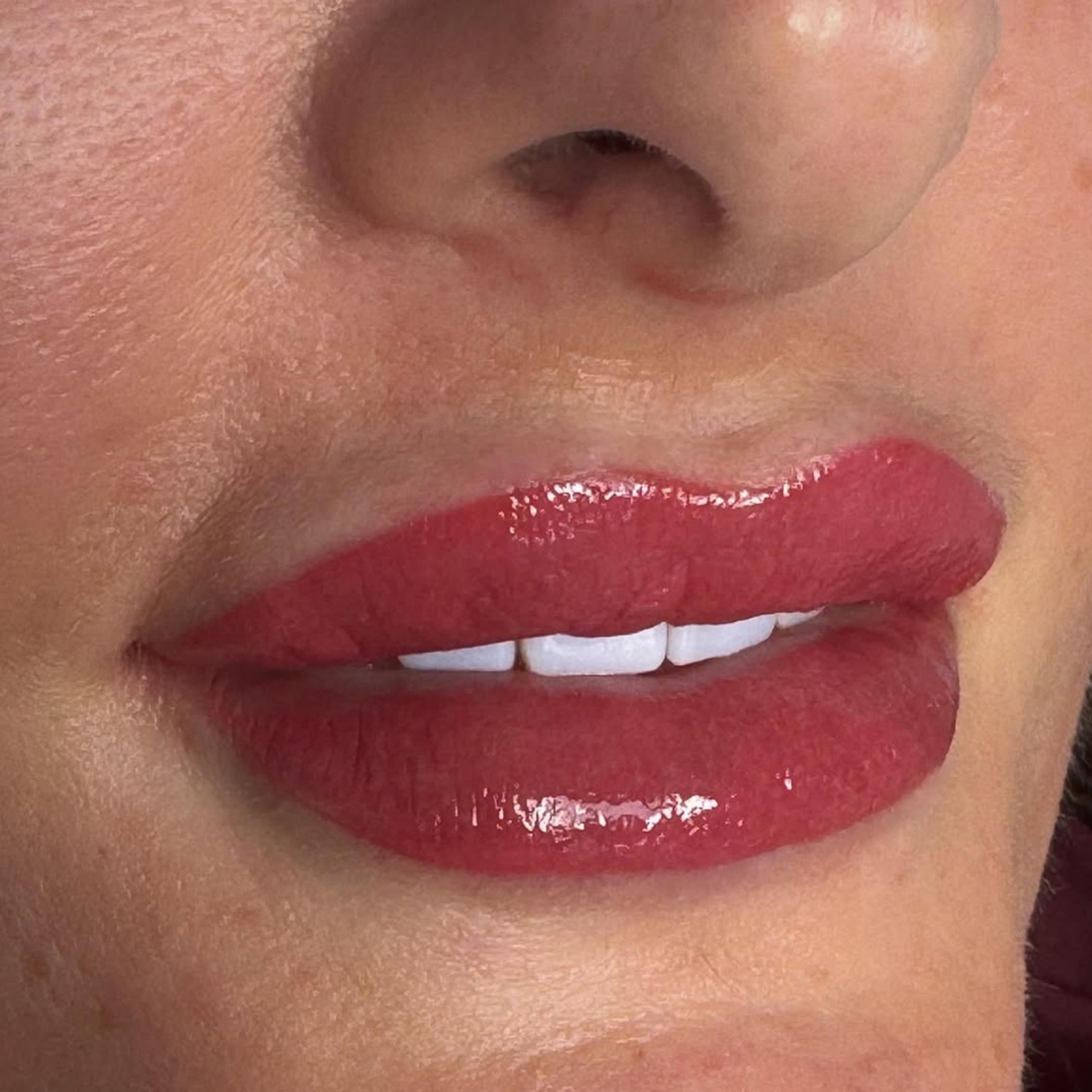
The Aquarelle method is all about capturing an airy, translucent look rather than a heavy, slapped-on one. And that’s only possible when you get saturation just right and place everything else just right.
The thing is, most people get this utterly wrong: they think a light touch technique means lower risk automatically – but it doesn’t. Aquarelle lip blush still carries risks when an artist prioritises shape over form and ends up tattooing beyond what the skin can safely handle, resulting in a clean, healed result.
How The Lip Border Behaves
The natural lip line isn’t just some pencil guide you can use to rough in the shape. The lip membrane itself is thinner, more vascular and heals in its own way to the rest of the skin. And the minute you move onto drier, keratinised skin, retention changes and the chance of lip blush bleeding outside the lip line starts to climb.
That’s the problem with overlining lip tattoo risks – a tiny optical adjustment might be possible for some clients, but strong overline work is where I see the most trouble in corrections turn up. If a client has uneven borders, mature skin, smoker’s lines, or old filler migration, I normally focus on getting the colour balance right rather than getting the size just right. Bigger is not always better – especially after it’s healed.
Who Needs Extra Caution
Some clients need to take things slower, and that includes people with previous lip tattoos, a history of cold sores, very dry or sun-damaged lips, recent filler, or anyone hoping to get their shape, colour and definition all sorted out in one session.
Recent lip filler interactions can totally mess with placement, especially if swelling or product movement is still happening.
Mature lips with fine lines can make the edges heal more softly and unevenly.
Clients who are prone to picking, put in a lot of physical effort, or get too much sun in the first week are at higher risk of patchy healing and uneven fading.
What Actually Causes Trouble
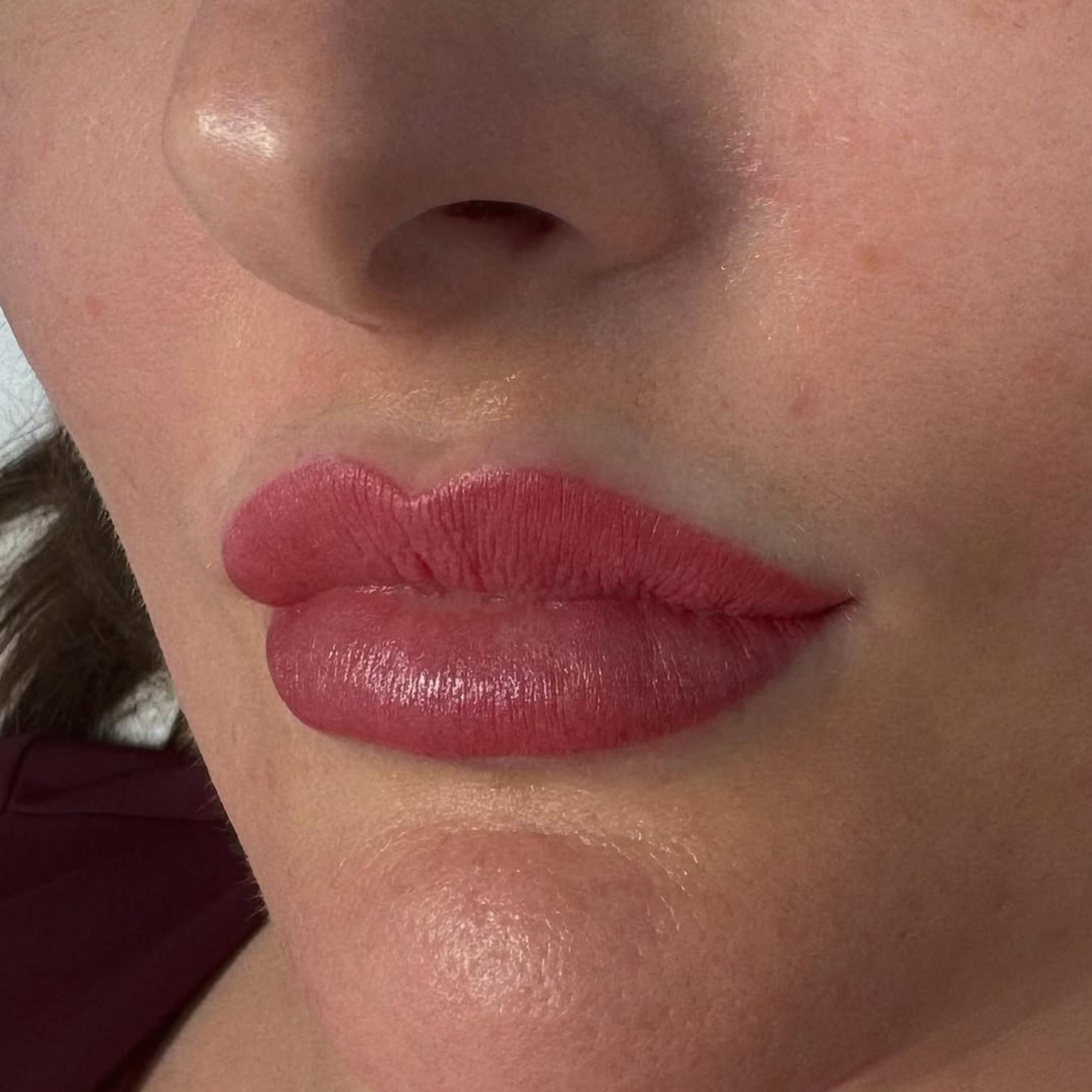
In my studio, the causes usually aren’t mysterious – they’re just practical stuff that goes wrong.
When we’re looking at lip blush gone wrong cases at Cosmetic Tattoo Studio Melbourne Face Figurati, the same patterns keep showing up: over-pressuring the skin, poor mapping, bad overline decisions, and clients heading back out into their normal life too quickly.
Technique And Skin Factors
The main technical causes include implanting too deeply, excessively stretching the skin, oversaturating the border, or using a technique that deposits too much pigment in a single pass. Beginner artists often get hooked on instant definition. Experienced artists know that doesn’t equal a better healed result.
Of course, skin and lifestyle play a role too. Melbourne’s wind, winter dryness, and summer sun can make lips super reactive and flaky. Dehydrated lips just don’t heal evenly. If a client shows up with peeling or cracked lips, I might postpone treatment. Not ideal, I know – but a lot better than ending up with lip blush colour shift or patchy retention.
Expectation Vs Reality
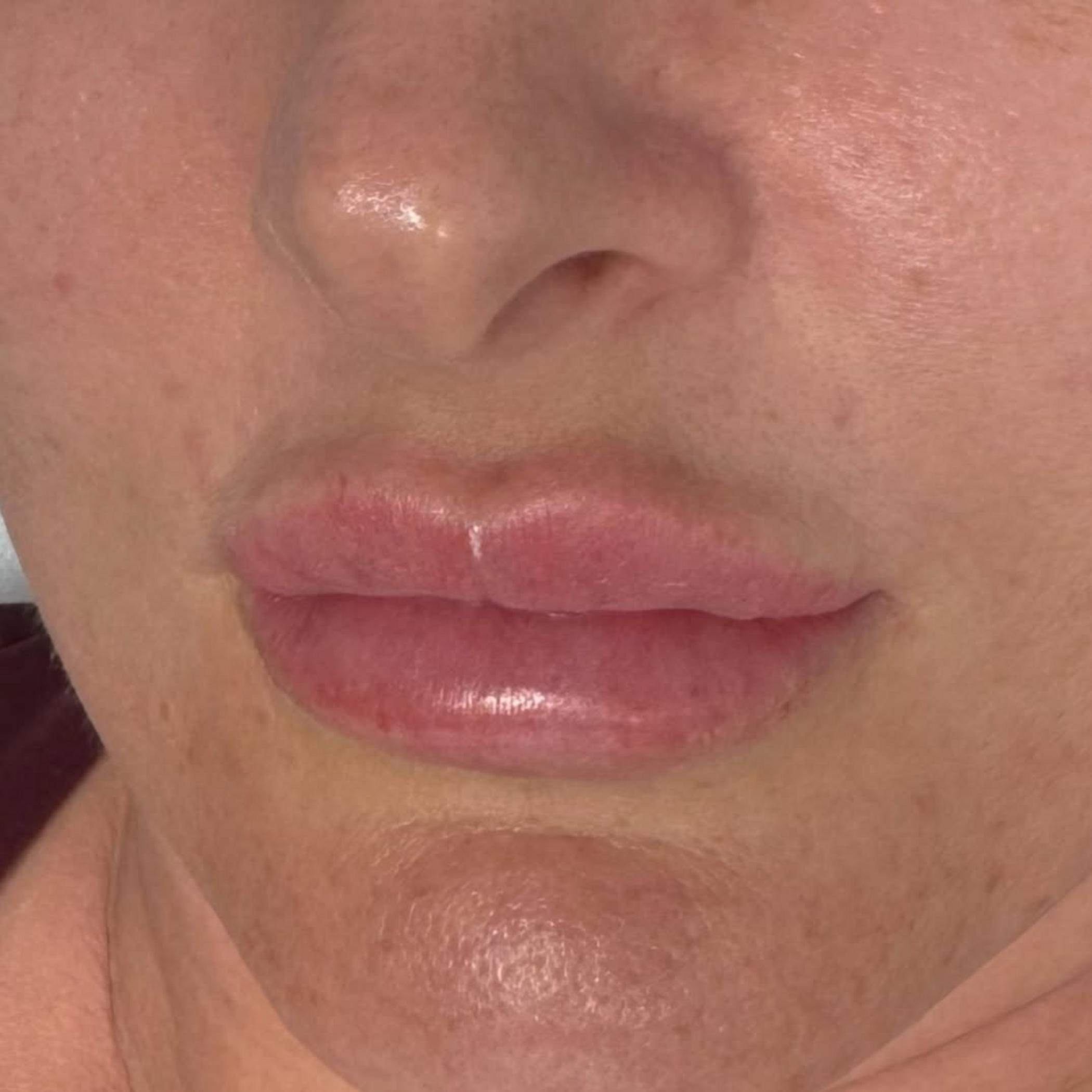
Here’s a common salon truth: if you only have one session, expect improvement, not perfection. The best result to prioritise in one appointment is an even tone and a soft shape, not a dramatic increase in size. The second session, usually after 6 to 8 weeks, is where we refine.
How To Lower The Risk
Good results are rarely about luck. They come from prep, clean technique, and realistic planning.
At Face Figurati, I customise each lip design to suit facial architecture, natural asymmetry, and tissue quality. Some lips can handle a tiny enhancement; others should stay strictly within the natural border. That decision is part of the job.
Prep And Aftercare Basics
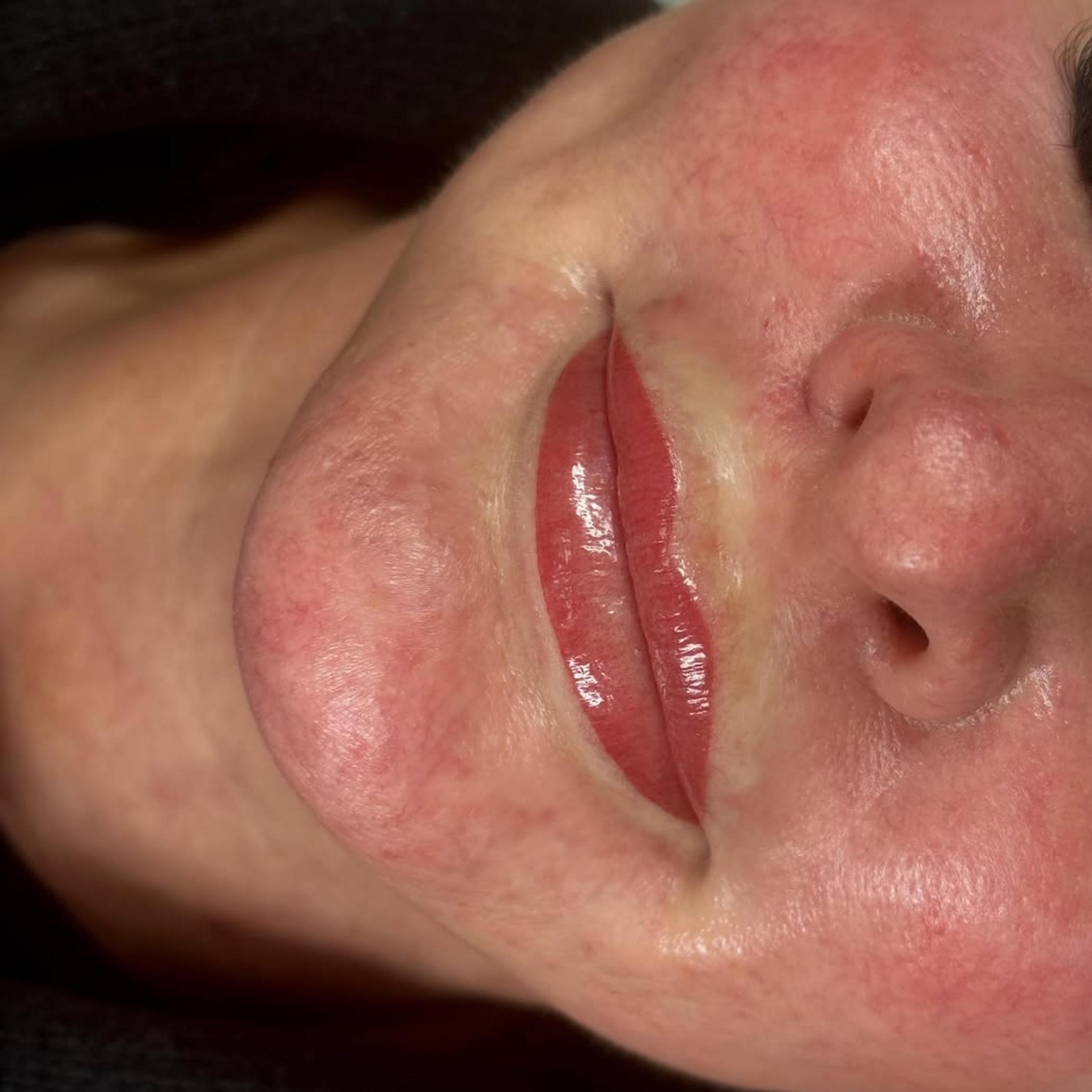
If you want to know how to prevent pigment migration, start before the appointment and keep going after you leave the studio. Appointment time is usually around 2.5 to 3 hours, including consult, mapping, numbing, and treatment.
- Arrive with lips hydrated for at least 5 to 7 days before treatment.
- Avoid active skincare acids around the mouth, excessive sun exposure, and lip biting.
- Follow any antiviral advice if you have a history of cold sores.
- After treatment, avoid friction, kissing, spicy foods, steam, pools, gym sweating, and sun on the area for the first several days.
- Do not pick flakes. Ever. This is where clients sabotage their own results.
Most clients can return to work the next day, but socially, you need to be prepared for swelling and a stronger tint at first. If you’ve got a wedding, photo shoot, or a big Melbourne racing carnival event, do not book treatment the week before and hope for magic.
Corrections Need A Plan
If migration happens its not the end of the world, and you shouldn’t let anyone try to “cover it up” with more colour – that almost always makes things worse.
What you need is a plan – and that plan will depend on how far the colour has migrated, what colour you used, and how long its been since you had it done. Some issues are pretty minor and just cosmetic, but others will need a more staged approach.
Fixes That May Help
You may be able to get away with a careful touch-up, or maybe you need to neutralise the pigment, or in some cases even a full-on lip tattoo removal – especially if you’re from around Australia and talking about this sort of thing, like our clients in Melbourne who ask about saline or laser removal options. The thing is, though, not every case is a laser one and not every colour will react the same way. That’s why your best bet is getting a proper assessment done.
Prices for doing it right in Melbourne vary, but generally speaking, a basic lip blush will set you back a few hundred to a few thousand bucks. In contrast, correction work is going to be more – and let me tell you, going cheap and getting a “good deal” can lead to some nasty surprises down the track. I’ve seen it happen time and time again.
Know When To Get Help
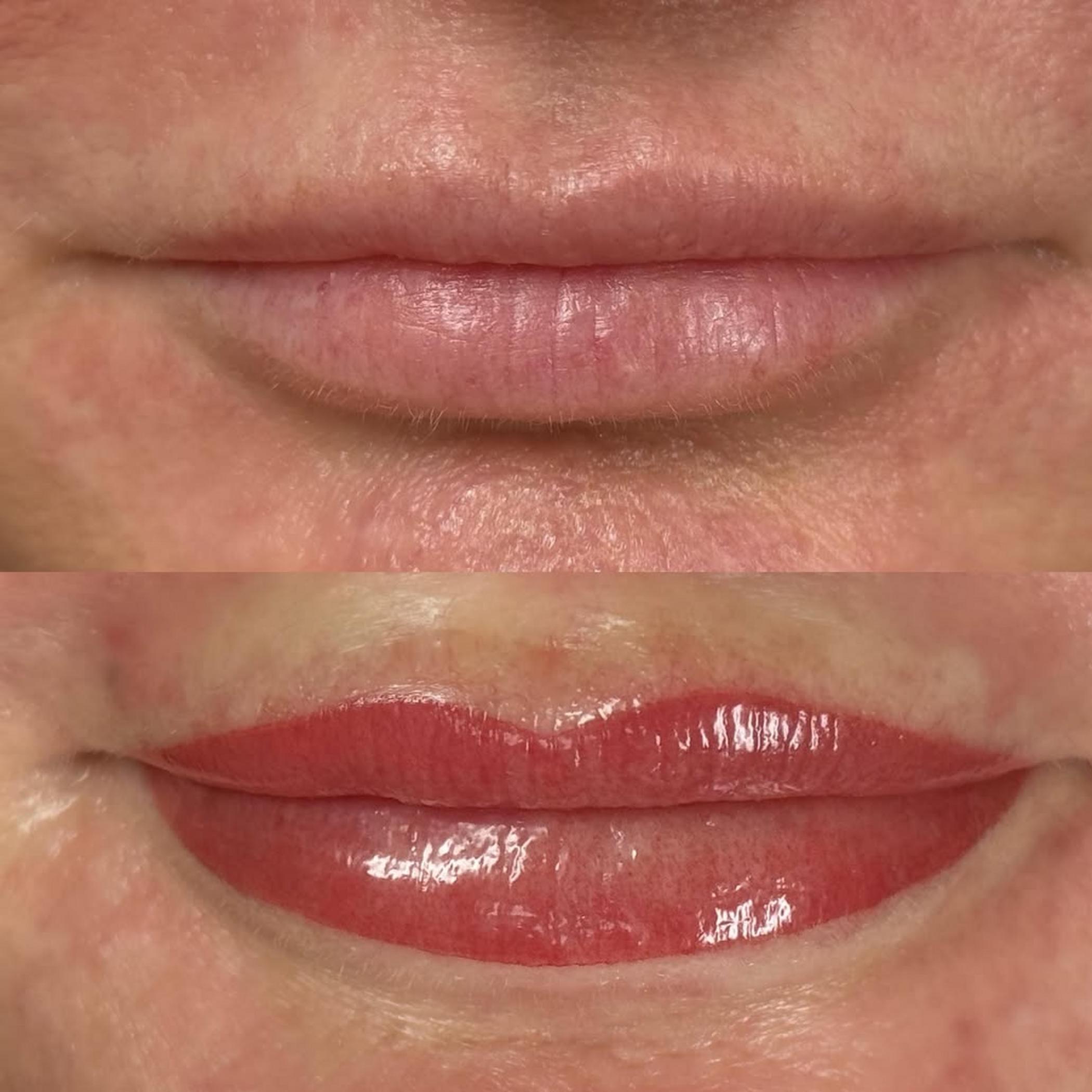
A bit of puffiness and some temporary brightness is totally normal, whereas a blurry, healed edge that’s way beyond where it should be is not something to ignore.
If you’re not sure what’s going on, just send over some clear photos in good light and book a proper review with a trained artist. They can have a look and let you know whether you’re dealing with normal settling, colour unevenness, or something a bit more serious like a full-on blowout.
Red Flags To Watch
If you notice any serious symptoms like increasing pain, heat, pus, redness spreading, or a rash popping up, then you need to get some help ASAP – we’re talking potential infection or irritation here, not just your skin healing up properly. Also, if the border is still all fuzzy after 6 to 8 weeks, or you start to see some weird colour changes like a cold, ashy tone, then you should get it checked out.
One real example from my Melbourne studio is a client who came to me after going elsewhere to get her lips done with Restylane. The shape looked alright on the day of the procedure, but after the tissue settled, the lip sat unevenly and had this faint shadowing. I didn’t rush in and try to fix it straight away. I waited, reassessed, and then planned a much more careful and conservative correction. And you know what? It was a lot better because of it.
My Final Take
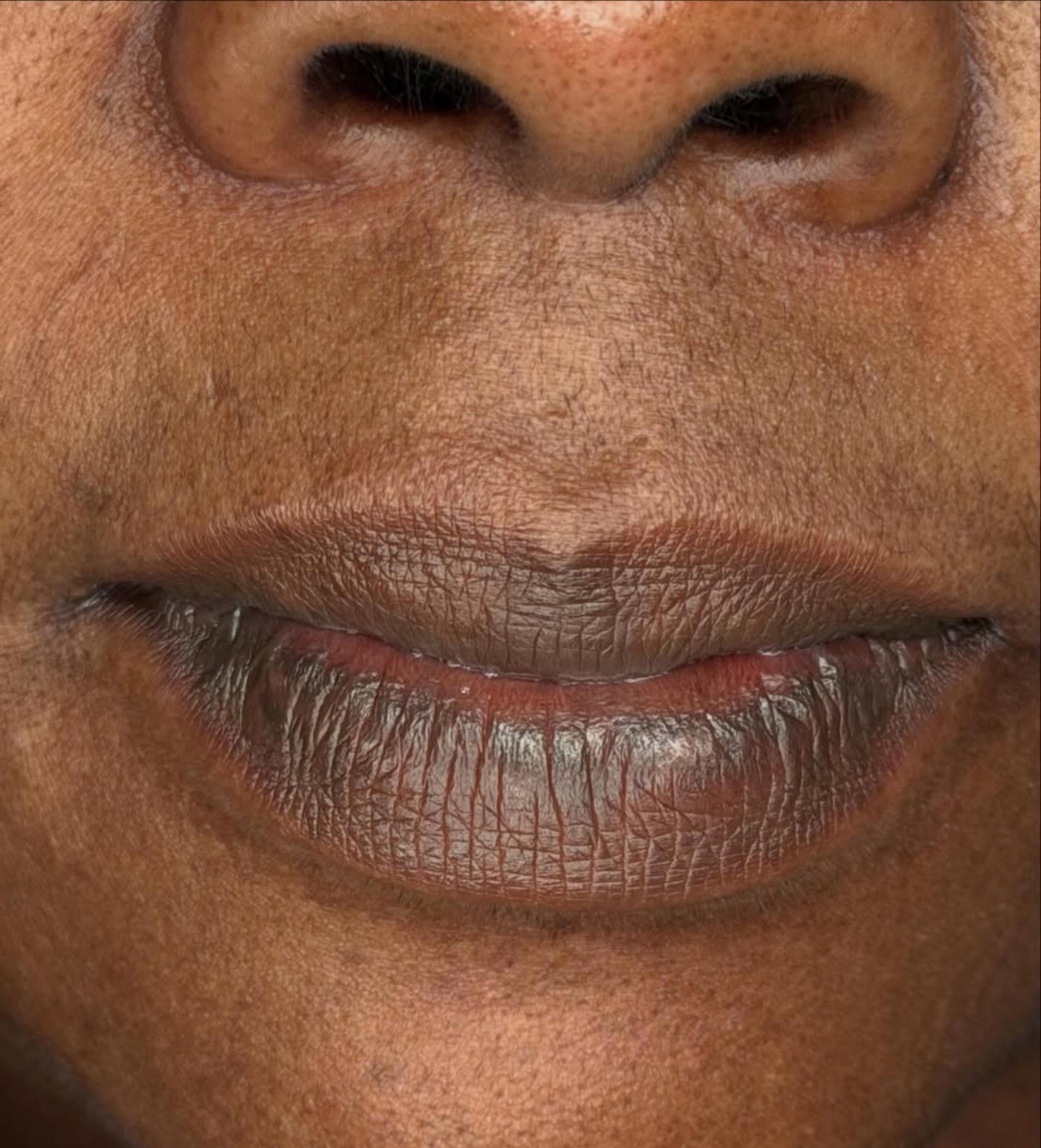
The truth is, aquarelle can be beautiful – but only if the artist is smart enough to respect your natural lip shape and your lips are actually in a pretty good state on the day. If someone is promising super dramatic overlining with zero risks involved, that’s your cue to get outta there, pronto.
As the gal behind Face Figurati, my 2 cents is this: prioritise getting a nice shape – not just for the moment, but for the long haul – and make sure your artist is telling it to you straight about what’s possible and what’s not. Want to make sure lip blush is up your alley? Reach out to me at Face Figurati, and I’ll walk you through the whole thing.
FAQ
Can Lip Blushing Be Bad?
Yeah, lip blush bleeding can happen if the pigment is applied too deeply or just outside the natural lip line, or if your skin just isn’t right for it. But if you go with a skilled artist, it’s pretty rare.
What Are The Risks Of Lip Blushing?
The main risks are usually pigment migration (where the colour spreads), patchy healing (where one area heals faster than another), cold sores returning, infection, the colour changing over time, and uneven fading. Most of these can be avoided with some good screening & aftercare.
What Side Effects Do I Get From Lip Neutralisation?
Your lips might look darker, or patchy, or even warmer than usual before they sort themselves out. Swelling, dryness, and needing more than one session are all pretty normal – just make sure you plan.
What Should I Avoid After Lip Blushing?
Try not to pick at your lips, heavy sweating, steam rooms, swimming pools, spicy foods, too much sun, or anything that rubs your lips the wrong way during the healing process. And make sure you follow your artist’s aftercare instructions to the letter.
Can You Overline A Lip Tattoo?
Well, maybe a tiny bit if your lips are lucky – but overlining can be a bit dodgy, especially if it’s done strongly. Better to play it safe and go for a more conservative approach – it looks better in the long run.
e and go for a more conservative approach – it looks better in the long run.