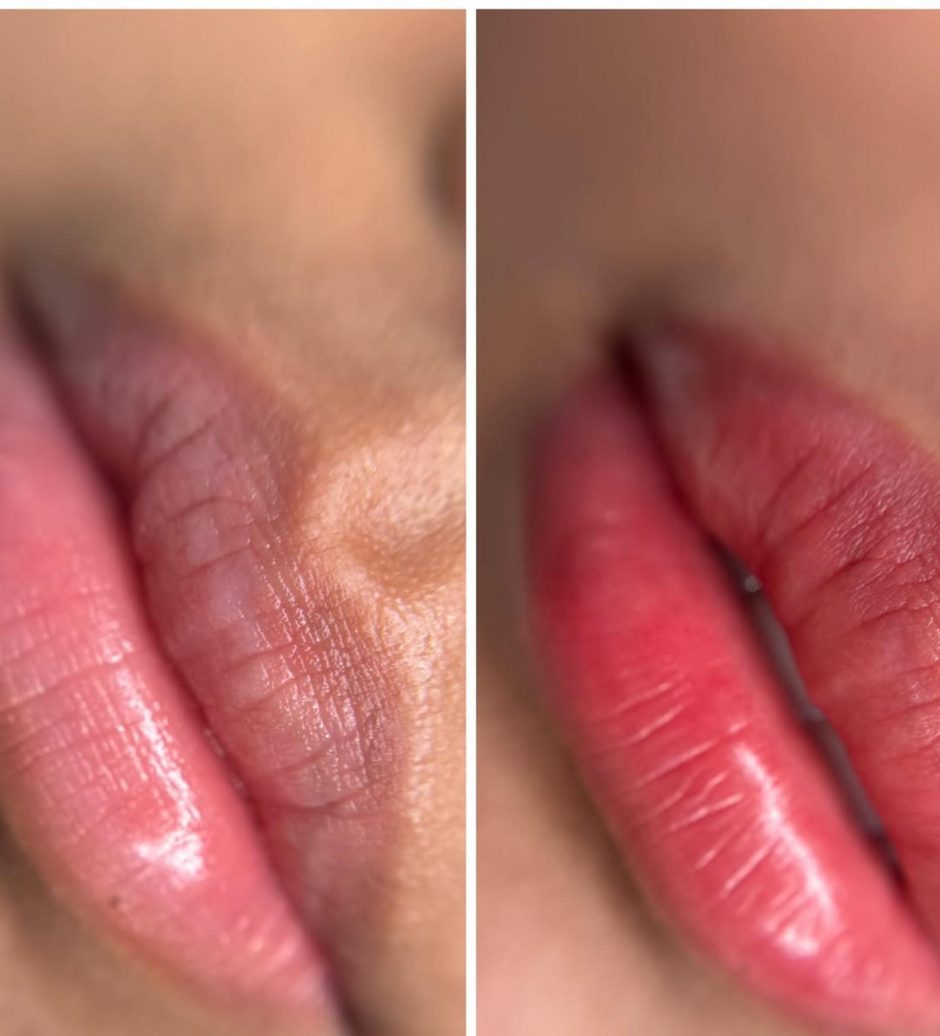
How many layers of Aquarelle lip do you usually need? In most sessions, I apply 2 to 4 sheer pigment layers or passes to build the desired tint safely and evenly. That is the short answer. The exact number depends on your natural lip tone, texture, circulation, pigment choice, and how your lips respond during the appointment.
I’m Olha Po, and at Cosmetic Tattoo Studio Melbourne Face Figurati, I hear this question frequently from both first-time clients and newer PMU artists. People often imagine “more layers = better colour”, but that is not how Aquarelle works. This technique is about soft lip pigment layering, controlled saturation, and knowing when to stop before the lips become overworked.
Why The Layer Count Matters
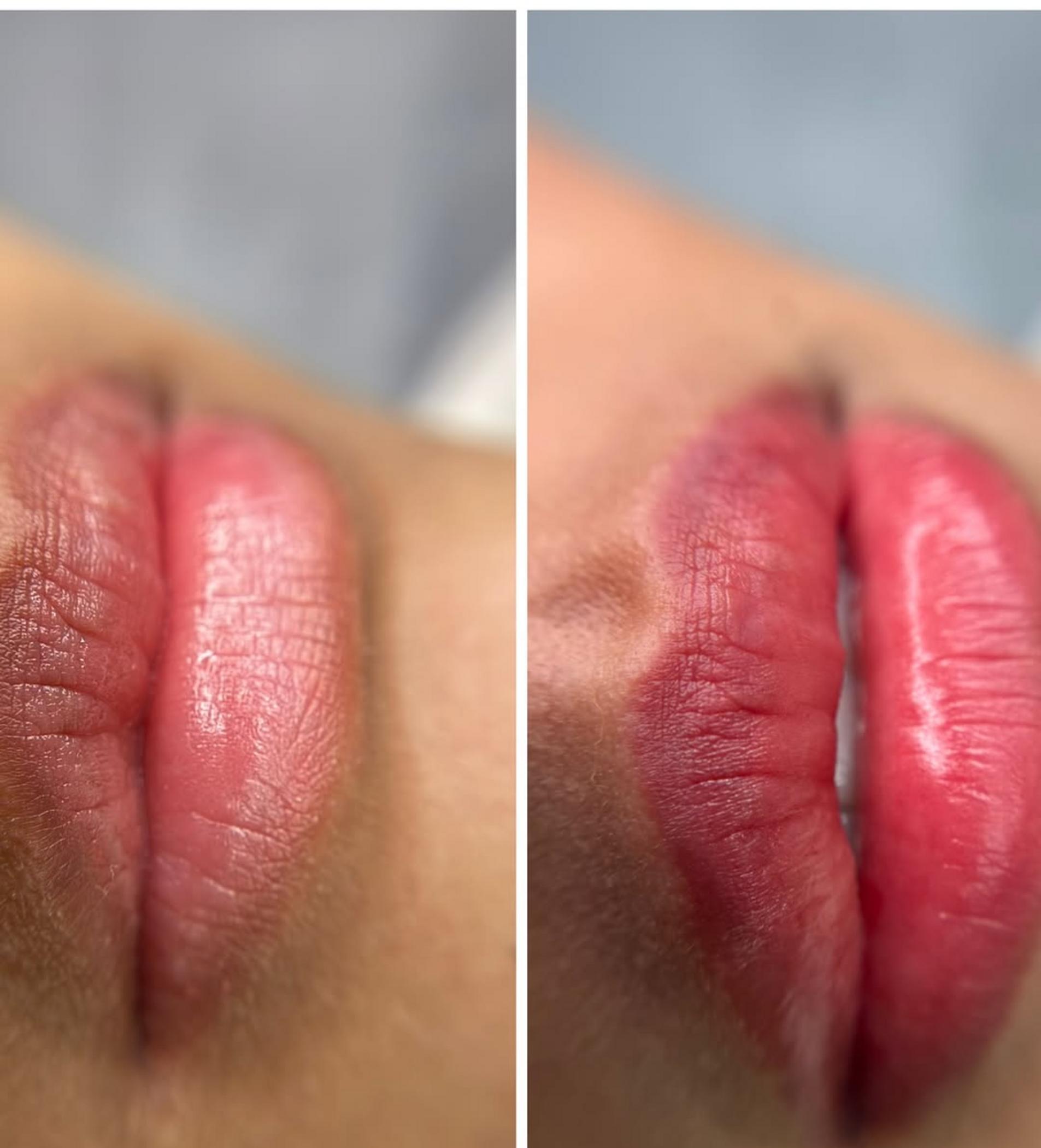
Aquarelle is meant to look like a healthy veil of colour, not heavy lipstick frozen into the skin. If you want that fresh, translucent finish, the number of passes matters just as much as the colour itself.
Too few passes can heal patchy. Too many can create swelling, uneven retention, and a result that starts drifting away from true watercolour lip layers into standard lip blush territory.
What Aquarelle Actually Means
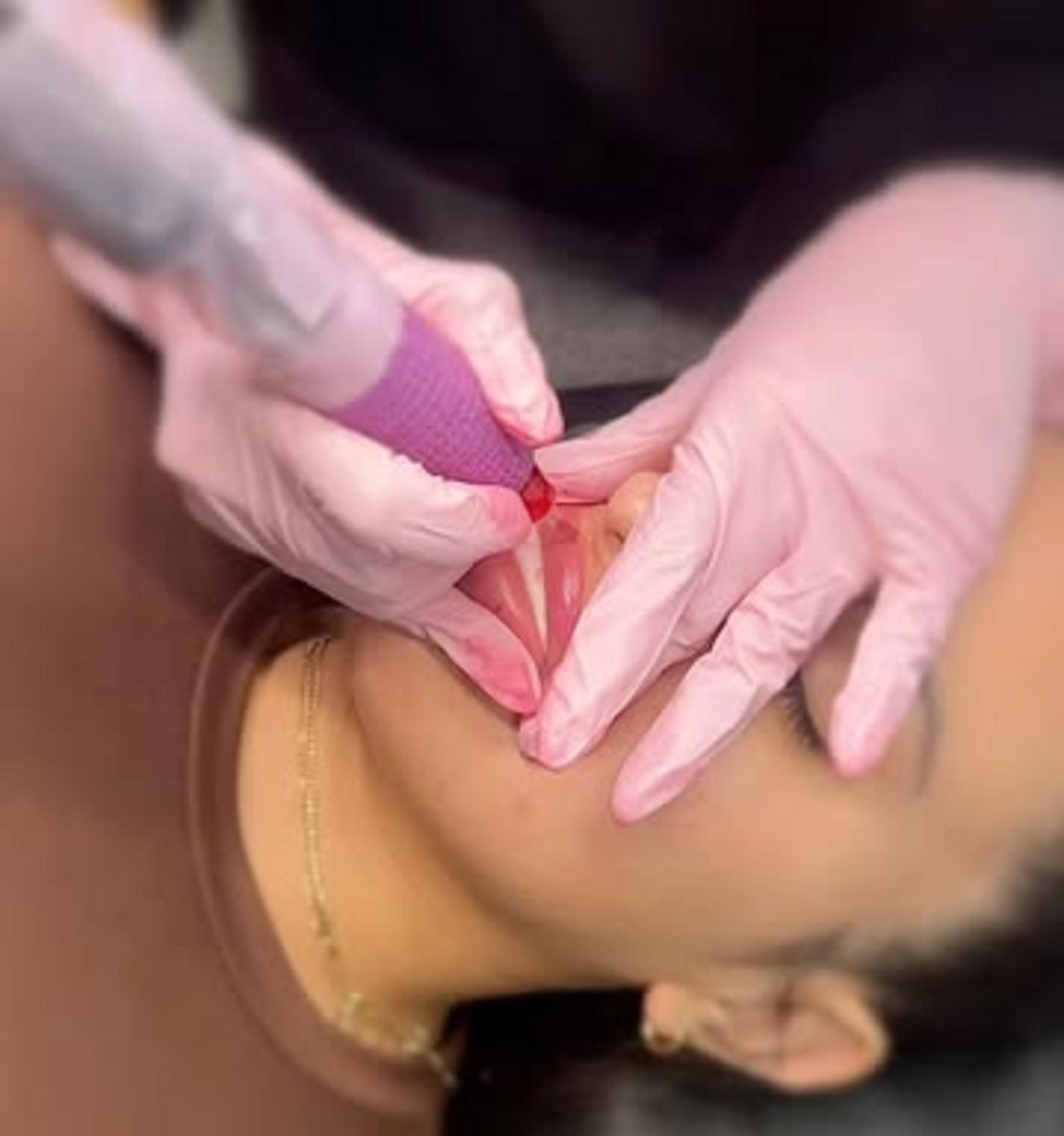
Aquarelle, sometimes called watercolour lips, is a soft form of lip blushing that uses a diluted, sheer colour placement rather than dense, lipstick-style saturation. In practice, I build colour gradually using light, airy movement across the lips, often with a stipple technique, whip-shading, or gentle pixelated shading. To achieve this effect, it’s important to consult a professional lip tattoo artsit.
How It Differs From Lip Blush
The question of lip blush vs aquarelle comes up a lot in consults. Traditional lip blush can still be natural, but it usually aims for more colour saturation. Aquarelle stays softer. Think “tinted balm” rather than “full matte lipstick”. Cheeky salon truth: if you bring me a photo of a bright lipstick and ask for Aquarelle, we need a chat.
Typical Passes In One Session
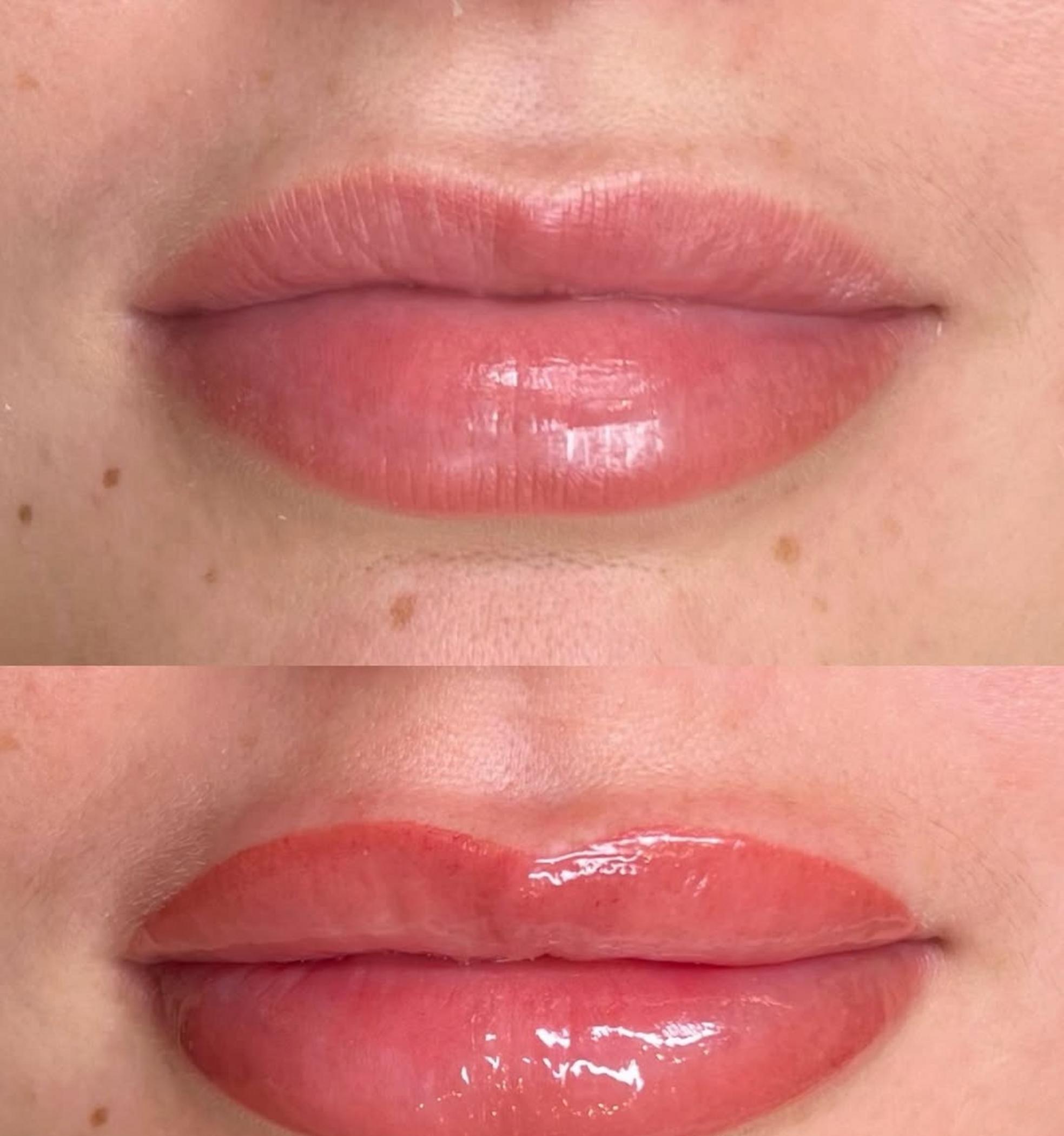
For most healthy lips, the sweet spot is 2 to 4 light passes over the treatment area in a single appointment. That usually gives enough coverage for a visible healed tint without pushing the skin too hard.
In my Melbourne studio, I rarely need more than 4 passes for a true sheer finish. If someone needs stronger correction or has very cool, uneven lips, the better plan is often fewer layers now and a touch-up session later, not endless layering on the day.
General Layer Guide
Here is the practical range I use when planning Aquarelle lips, how many layers for different clients.
| Lip Type Or Goal | Typical Passes | What To Expect |
| Fair to medium lips, even tone | 2 to 3 | Soft tint, lighter healed result |
| Dry or textured lips | 2 to 3 | Gentle build to avoid overworking |
| Darker natural lips need balance | 3 to 4 | Subtle shift often needs follow-up |
| Uneven border or patchy tone | 3 to 4 | Better blending, still sheer |
| Dense colour request | Not ideal for Aquarelle | May suit another technique better |
What Most People Get Wrong
Clients often ask, “Can we just do one more pass so it stays brighter?” Sometimes yes, often no. What catches people off guard is that their lips swell during the appointment. Swollen skin can make colour look stronger than it really is, so an inexperienced artist may keep chasing intensity and end up over-saturating.
I have corrected lips done elsewhere where too many sheer lip-tint passes were applied too aggressively. The result was not more elegant. It was more trauma, more scabbing, and poorer retention. This is where experience matters. Artists trained by respected educators such as Tina Davies, Olga Hanafi, and Julia Jones PMU often talk about restraint for a reason.
Technique Shapes The Result
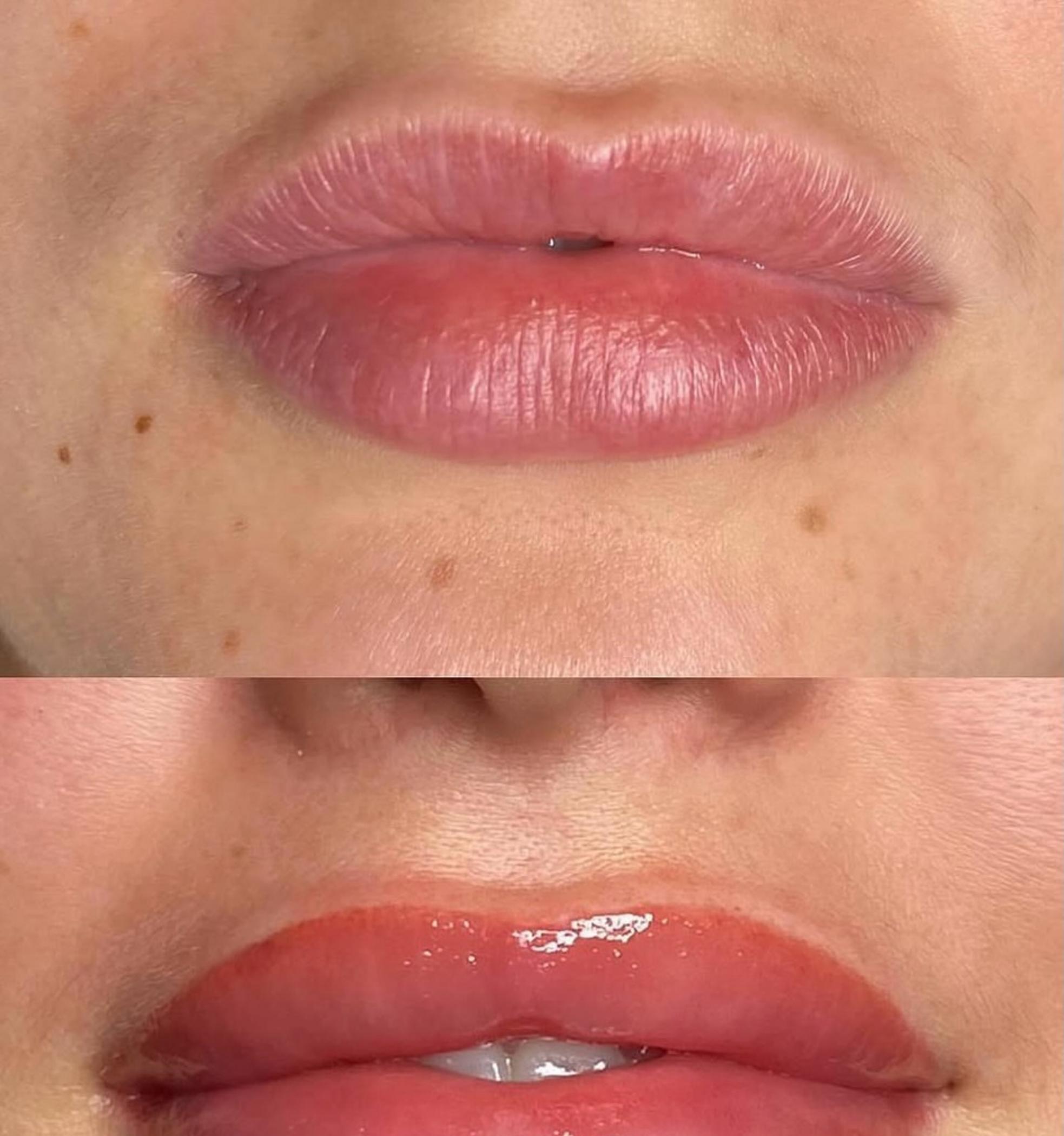
The same colour can heal very differently depending on hand pressure, machine speed, needle choice, and movement. That is why counting passes alone never tells the full story.
At Face Figurati, I watch the lips closely as I work. I look for swelling, pinpoint trauma, and how quickly the skin begins to accept pigment. Those signs tell me whether we continue, soften the pressure, or stop.
How I Build A Sheer Finish
For a natural how many passes for lip tint answer, I think in layers of transparency rather than blocks of colour. The first pass maps and lightly stains. The second evens out the tone. The third, if needed, refines shape and boosts weak spots. A fourth is usually only for specific areas, not a heavy blanket layer over everything.
When Fewer Passes Are Better
If your lips are very dry, sunburnt, recently treated with filler, or prone to cold sores, I would rather reduce the session intensity or reschedule. Melbourne’s weather does not always help. In colder, windier months, lips can arrive dehydrated even when clients think they are “fine”. Dry lips do not hold pigment neatly, and extra passes will not fix that.
Healing Changes The Colour
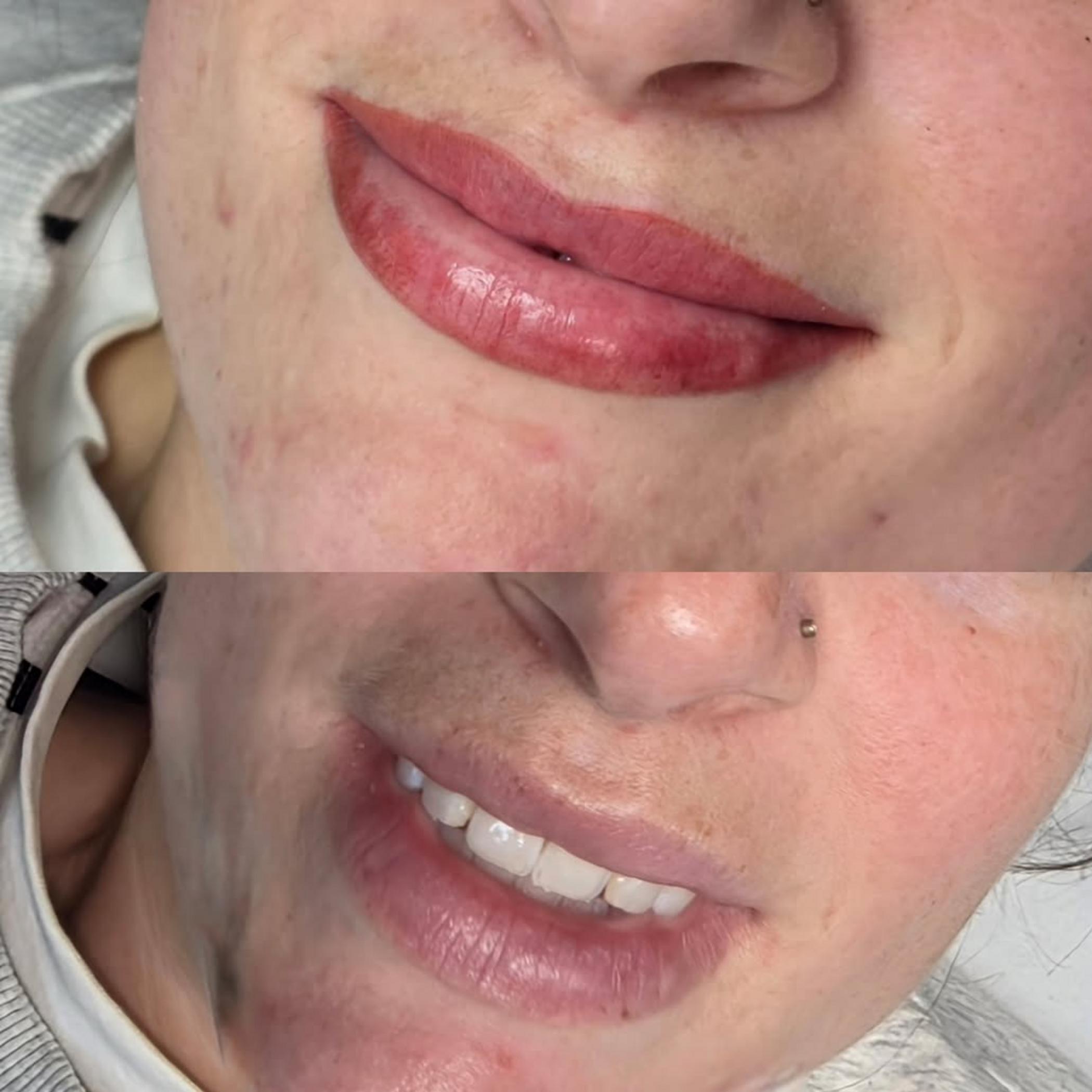
This is the part people underestimate. The colour you see on the day is not the colour you keep. Fresh lips look bolder because of swelling, surface pigment, and increased blood flow.
After healing, most clients see a noticeable softening. In cosmetic tattoo studies and manufacturer guidance across PMU education, healed colour commonly appears around 30% to 50% lighter than the fresh result. That is a broad industry range, not a guaranteed figure for every person, but it is a useful basis for expectations.
Expectation Vs Reality
Expectation: one session, bright rosy tint, done forever. Reality: One session gives a soft base, and the final healed look usually settles in over 6 to 8 weeks. Healed colour fade is normal. Good Aquarelle should look settled and airy, not harsh.
Typical Timeline
The appointment usually lasts 2.5 to 3 hours, including consultation, mapping, numbing, colour selection, and treatment. Most clients return to work or normal errands the next day, but their lips may look brighter and feel tight for 2 to 4 days. Flaking often appears around days 3 to 5. Full settling takes several weeks.
Who Needs More Or Less
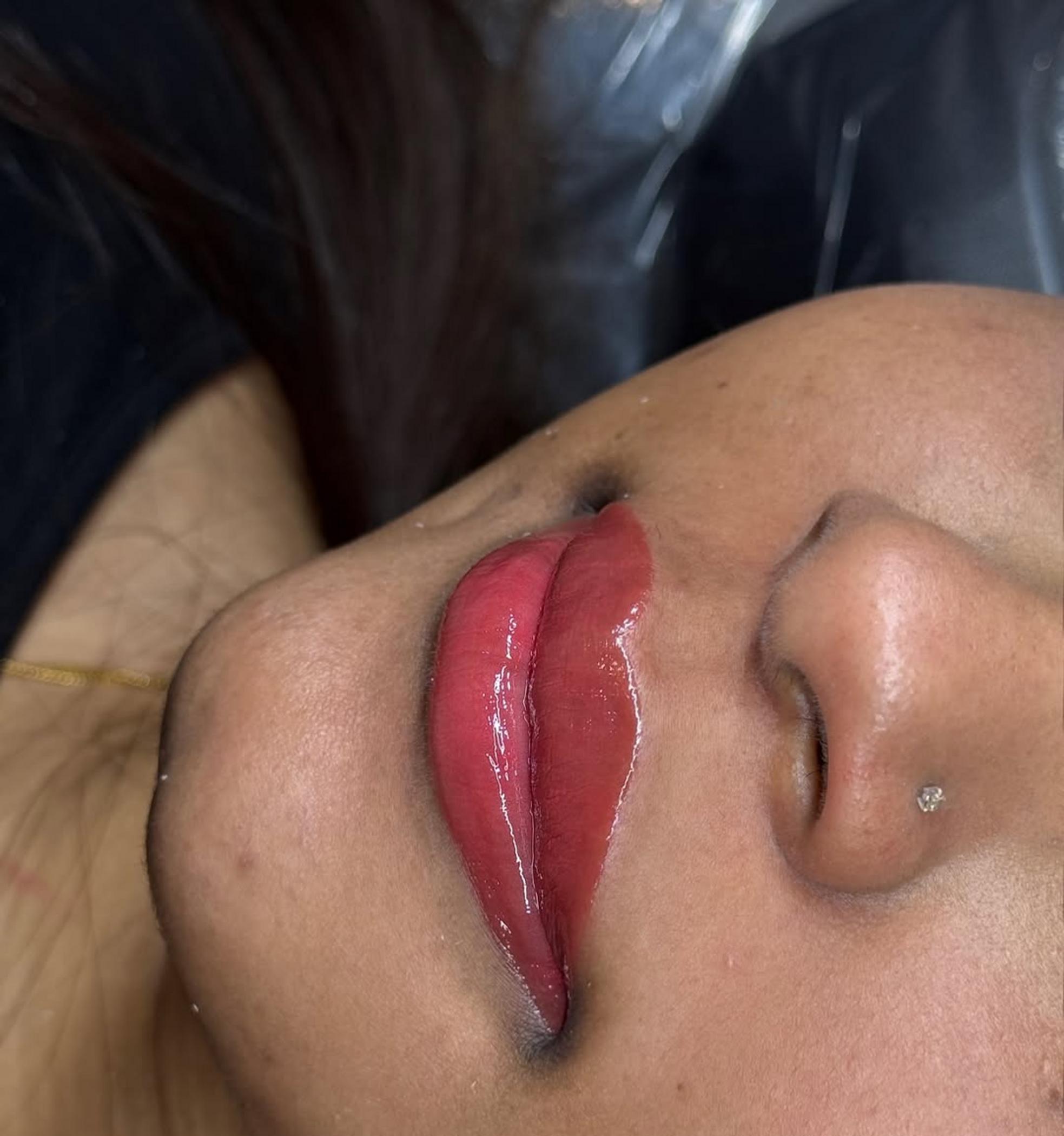
Not all lips behave the same, and this is where generic internet advice falls apart. Skin depth, undertone, lifestyle, and medical history all affect lip colour retention after aquarelle.
In Cosmetic Tattoo Melbourne, I see a wide mix: busy professionals, brides, mature clients, and people with sensitivities who just want a polished look without daily liner drama.
Factors That Shift The Plan
- Natural lip darkness or cool undertones
- Previous tattooing or partial fading
- Dryness, texture, and scar tissue
- Smoking, frequent sun exposure, and active lifestyles
- History of cold sores or sensitivities
- Need for lip neutralising before adding pink or peach tones
Who Should Wait Or Avoid It
If you are pregnant, breastfeeding, unwell, using certain skin medications, prone to uncontrolled herpes outbreaks, or have active irritation on the lips, treatment may need to be delayed. Poor timing increases infection risk, poor retention, and uneven healing. A good artist will tell you “not yet” when needed. That is not a sales problem. That is a safety standard.
Touch-Up Protects The Finish
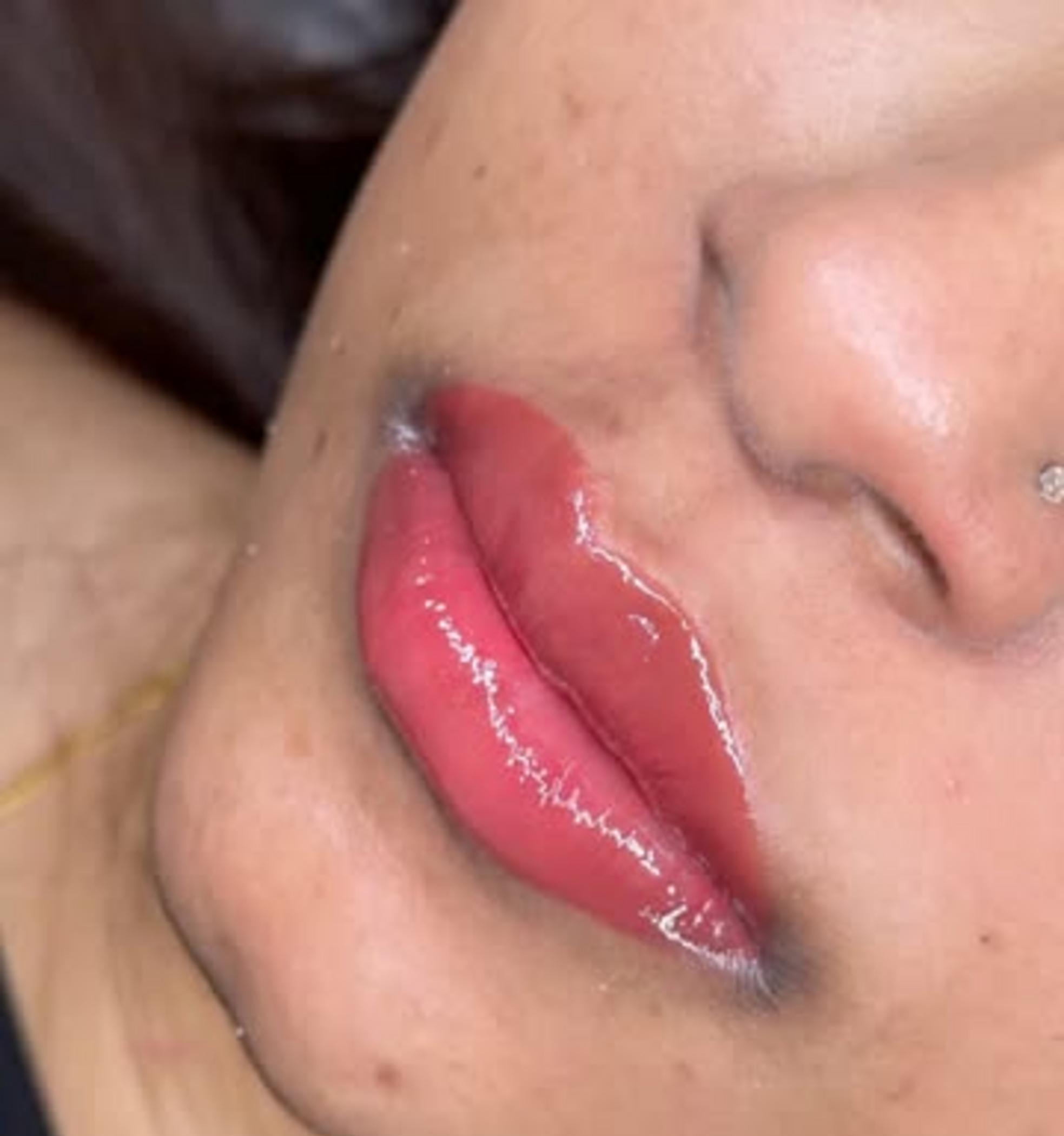
The best Aquarelle result is usually built across two sessions, not forced into one. Your first session lays down the shape and initial tint. The touch-up session fine-tunes anything that healed softer, patchier, or cooler than expected.
Most touch-ups are booked 6 to 10 weeks out. In Melbourne, aftercare compliance, winter dryness, summer UV, and coffee-fuelled busy schedules all affect retention more than people think.
Rough Melbourne Pricing
Current pricing in Melbourne commonly ranges from about AUD 450 to AUD 850 for an initial lip tattoo appointment, with touch-ups often charged separately or included within a limited timeframe, depending on the studio. Corrections and neutralisation work can cost more because they take longer and usually need extra planning.
Aftercare That Actually Helps
- Keep lips clean and use only the recommended balm.
- Avoid picking spicy foods, hot steam, and pool water in early healing.
- Use sun protection once healed, especially in the bright Melbourne summer.
- Stay hydrated before and after treatment.
- Follow cold sore prevention advice if you are prone to outbreaks.
My Honest Final Take
If you are wondering how many layers are used in an Aquarelle lip technique Melbourne session, the practical answer is usually 2 to 4 light layers, with the exact number adjusted to your lips, not your Pinterest board. Less can be more here. A soft, even tint that heals well beats an overworked lip every single time.
At Face Figurati, I customise each treatment to your facial colouring, lip condition, and expectations. Still not sure if Aquarelle is right for you? Contact Face Figurati, and I’ll happily talk you through what is realistic for your lips.
Summary: Most Aquarelle lip sessions require 2 to 4 light pigment passes to achieve a soft tint. Healing lightens the result, touch-ups improve retention, and more layers are not always better.
FAQ
What is the aquarelle technique for lips?
It is a soft lip-tattoo method that creates a sheer wash of colour through light, layered shading rather than dense saturation.
How to apply lip tint on pigmented lips?
Usually, with careful colour correction first, and then gentle layering. Very pigmented lips often need more than one session.
What is the difference between lip blush and aquarelle?
Aquarelle is generally sheerer and softer. Lip blush can be more defined and more saturated.
How to do sheer lip blush?
Use light machine pressure, transparent build-up, and controlled passes. Do not chase instant boldness.
Can I get the final result in one session?
You can get a lovely base in one session, but the best healed result usually needs a review or touch-up.