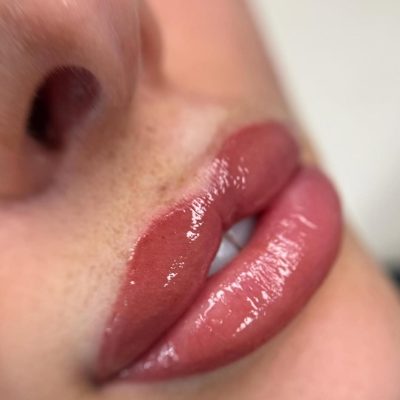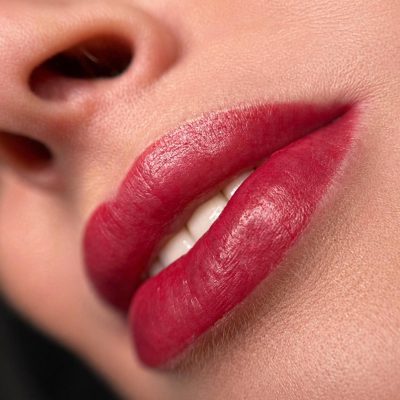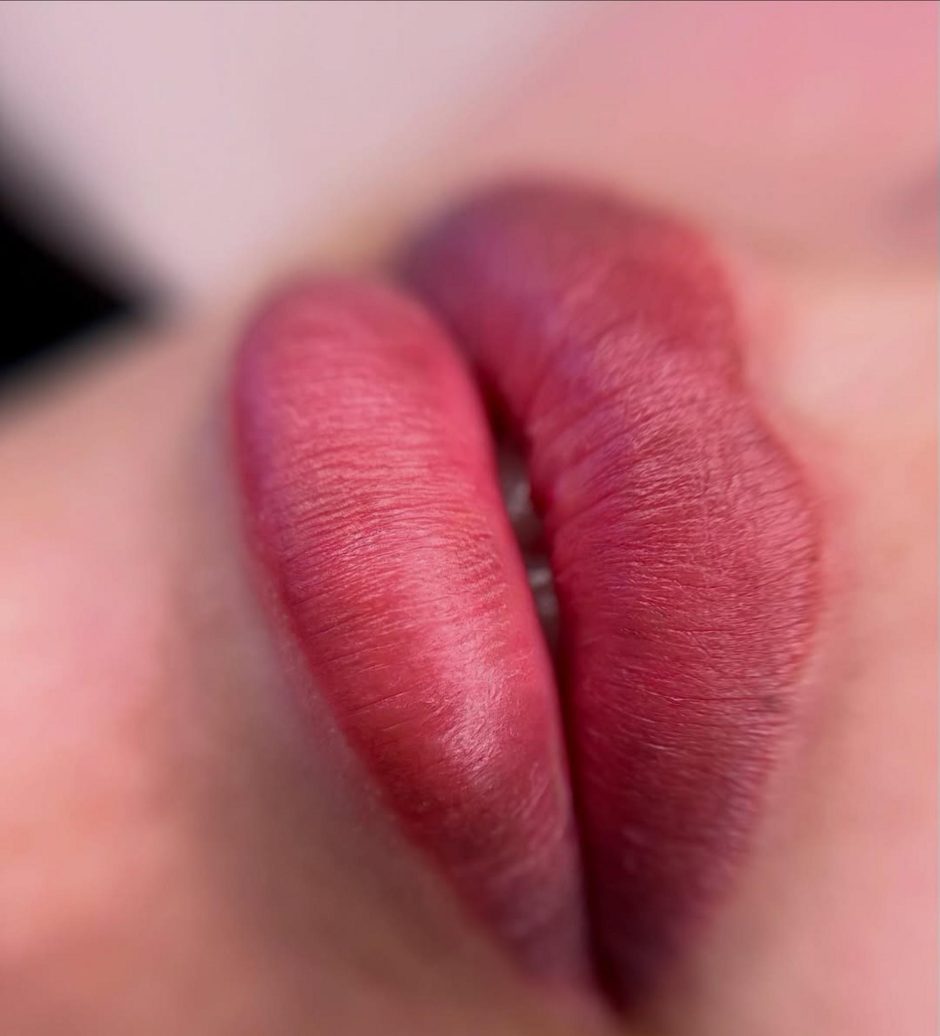
Aquarelle lips using iron oxide-free pigments in Australia – is that really the key to getting the softer lip blush results you want without that grey ghosting creeping in over time? Well, the short answer from many artists in Australia doing lip work is to look for iron oxide-free lip pigments or brands that keep their pigments low on iron, and with the right colour to suit – but that’s the thing, it’s all about finding the right one for you.
I’m Olha Po, founder of Studio Face Figurati making cosmetic tattoo in Brisbane and Melbourne, and here’s the thing – with all the marketing around “organic” this and that, it can get a bit confusing. Not every “organic” lip PMU pigment is automatically the right choice for every client, and sometimes that grey result isn’t caused by just one thing; it’s a combination of factors. But if you’re looking to prevent lip ghosting and stop your lip colour from turning grey, avoiding iron oxide-heavy lip blends is a good place to start.
Why This Matters For Lips
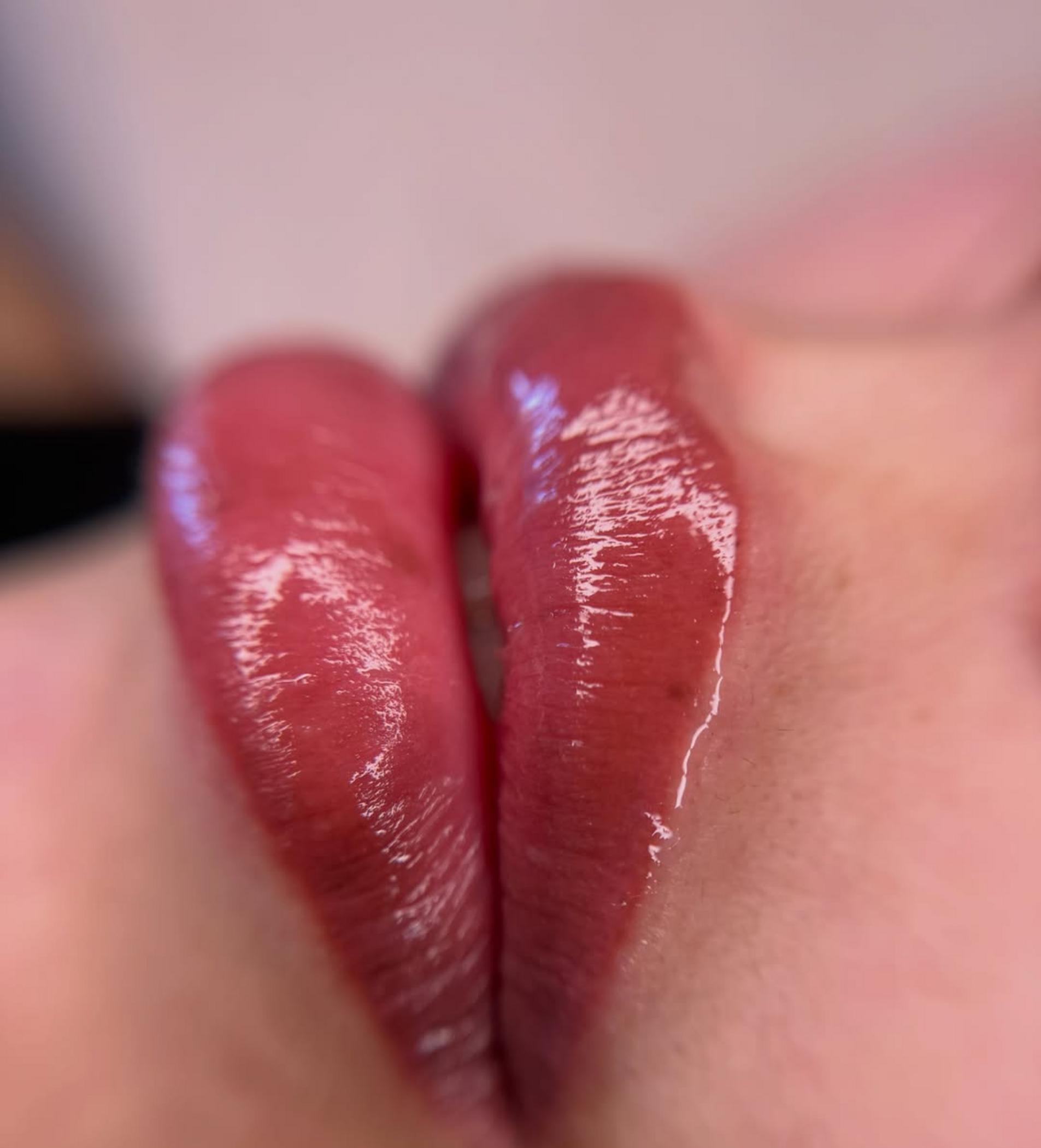
If you’re getting an Aquarelle lip treatment, you want that soft tint to last and look fresh, not a strange blue cast a few months down the line. I talk about this all the time in consults because a lot of clients think any old pink will heal pink – but it’s not that simple.
Living in Melbourne, I also see how the weather can affect healing too – dry winds, sun exposure, the heating in the home, and people rushing back to work or socialising too quickly all impact how your lip heals. And it’s not just about you, your lifestyle matters, and people often don’t realise just how much.
How Grey Ghosting Starts
So how does that grey ghosting happen? Grey or ashy ghosting can come from the lip tattoo losing its warmth as it fades, if the original pigment was too cool in the first place, or if iron oxides and base tones just don’t age well on that client’s lip tissue. It can also happen if you’ve got poor neutralisation of cool tones, shallow planning, too much trauma, or a mismatch between pigment and undertone.
What often catches clients off guard is that lips don’t heal the same as a swatch of lipstick on a bit of paper, because natural melanin, circulation, scar tissue, previous filler, smoking, sun and aftercare all change the final result, and in Melbourne, we have to factor all those things in
Organic Molecules Vs Mineral Bases
When people talk about “organic” pigments in everyday PMU, they usually mean carbon-based organic molecules, not the kind of “natural” stuff you’d find in the health food shop. These pigments can hold a lot brighter, clearer colour in lip blush and are generally preferred by artists who want to avoid that flat fading that can happen with iron oxide-heavy formulas.
Now, there are hybrid pigments out there too – some of them work beautifully in the right hands, but for clients who are really worried about ghosting, I tend to look for iron oxide-free lip pigments, or I carefully check the CI list before choosing a shade.
Which Ranges Artists Commonly Check
Lets keep this grounded in reality. In Australia, artists usually go to great lengths to source high-quality lip PMU pigments nationwide – that means scouring the country for professional cosmetic tattoo suppliers that can deliver the right formula for the job – & then double-checking each shade, not just the brand name. That little detail is super important because one brand often has slightly different formulations under the same label across different colours.
At Face Figurati, I don’t just rely on what the product label says – I dig deeper, checking supplier documentation, colour index details and how the pigment really behaves when it’s on a real person’s lips.
Brands Often Considered
These ranges always get talked about in Permanent Makeup Melbourne circles because they focus on lip colours with really good healing potential and a lower chance of that dreaded muddy fading if you choose the right one.
| Brand Range | Why Artists Consider It For Lips | Key Caution |
| Evenflo Colours / Perma Blend | Bright healed potential, popular for modern lip blush | Check each shade’s ingredient sheet |
| Li Pigments | Established PMU line with lip colour options | Not every colour suits cool or dark lips |
| Tina Davies I INK | Lip-focused shades used for soft tint effects | Technique and undertone matching still matter |
| Nouveau Contour | Professional PMU range with lip options | Supplier documentation should be reviewed |
| Swiss Color | Used by some artists for controlled, healed results | Shade selection is more important than brand hype |
Where Artists Source In Australia
If you’re a client, you really don’t need to worry about remembering which suppliers are which. Just ask your artist to show you the pigment range they’re using, explain where the pigment comes from, and whether the final shade you end up with is iron oxide-free or at least low in iron oxides.
What Prevents Colour Shift Best
This is the bit where people tend to take a shortcut, and then later end up wondering why the result didn’t turn out right. Choosing the right pigment is important, but the technique used to apply it is every bit as important. A good artist knows how to use depth, pressure, layering, and tone correction to achieve a balanced result that looks good even after the pigment has started to fade, rather than just going for a bright look in one quick stroke.
Beginner artists tend to go for what looks good fresh out the door, while more experienced artists think about how the final result will look in a few months.
Warmth, Neutralisation, and Layering
To stop lip ‘ghosting‘, I need to figure out whether the lips need a bit of warmth added in first – especially if they have a cool tone to them, or a bit of violet or brown to them. We had a client at Face Figurati with some ill-fitting pigment on the lips, and it turned out that the biggest problem wasn’t just the pigment itself – it was that no one had taken the trouble to add a bit of warmth to the lips before they went ahead and applied the pink.
Layering is also really important. If you only get one session done, you’re not going to end up with perfect lips – but you will see some improvement. Most clients need an initial session that lasts around 2.5 to 3 hours, followed by a top-up session in 6-10 weeks. In reality, you can probably get back to normal activities pretty quickly socially, but the lips themselves will look best for a few days before they start to soften.
Expectation Vs Reality
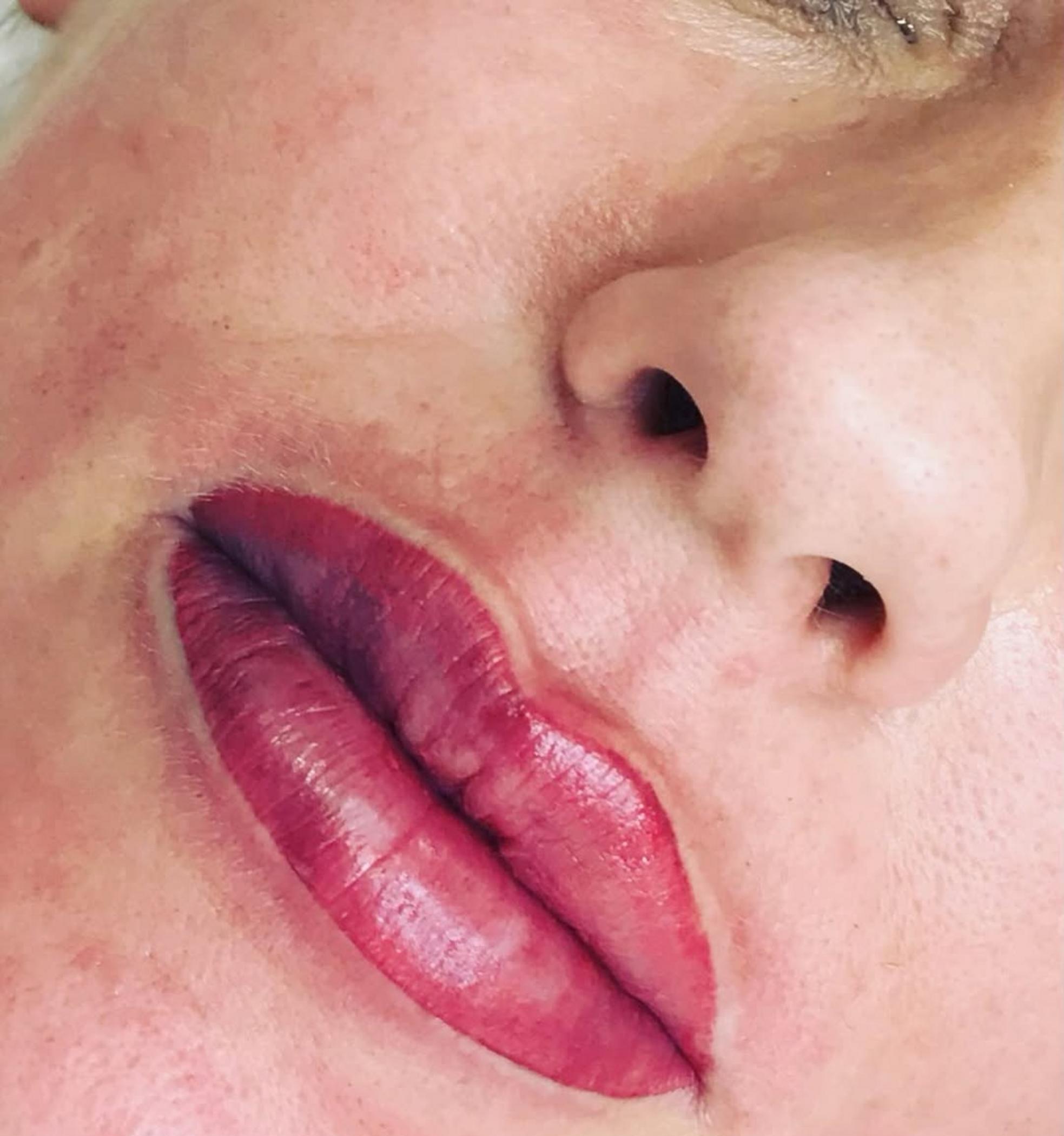
Fresh lips look amazing – they’re bright and bold. But then they fade a bit – by around 30-50% usually, depending on your skin type, how well you look after them and the type of pigment being used. In Melbourne, the summer months can be a bit of a problem – the sun and dry air can affect how well the pigment lasts. In the winter months, dryness and chapping can make things look a bit worse than they actually are.
| Stage | What You May Notice | What To Do |
| Day 1-3 | Brighter colour, swelling, tenderness | Keep clean, avoid friction, follow aftercare |
| Day 3-7 | Dryness, light flaking | Do not pick; keep lips protected |
| Week 2-4 | Colour looks lighter than expected | Wait, this is normal settling |
| Week 6-10 | True healed result visible | Review for touch-up needs |
What I Want Clients To Ask
A good consultation can save you a small fortune, a whole heap of stress and a ton of potential headaches down the line. This is where separating fact from fiction really matters, because those pretty Instagram videos don’t tell you the whole story.
At Cosmetic Tattoo Studio Melbourne Face Figurati, I’m more than happy to spend a bit of extra time explaining the plan, rather than scrambling to fix a botched job later. Corrective lip work can end up being a whole lot more expensive & takes a lot longer to get right.
Some things you should definitely ask before we get started:
- Is the exact shade you’re after iron oxide-free, or does it have iron oxides in it?
- How will your natural lip undertone affect the pigment I use?
- Do you need any neutralisation before I can proceed with the target colour?
- How many sessions are we realistically looking at for your lips?
- What about healing risks, allergies, cold sore history and aftercare – what’s the plan there?
Who Should Delay Or Avoid It
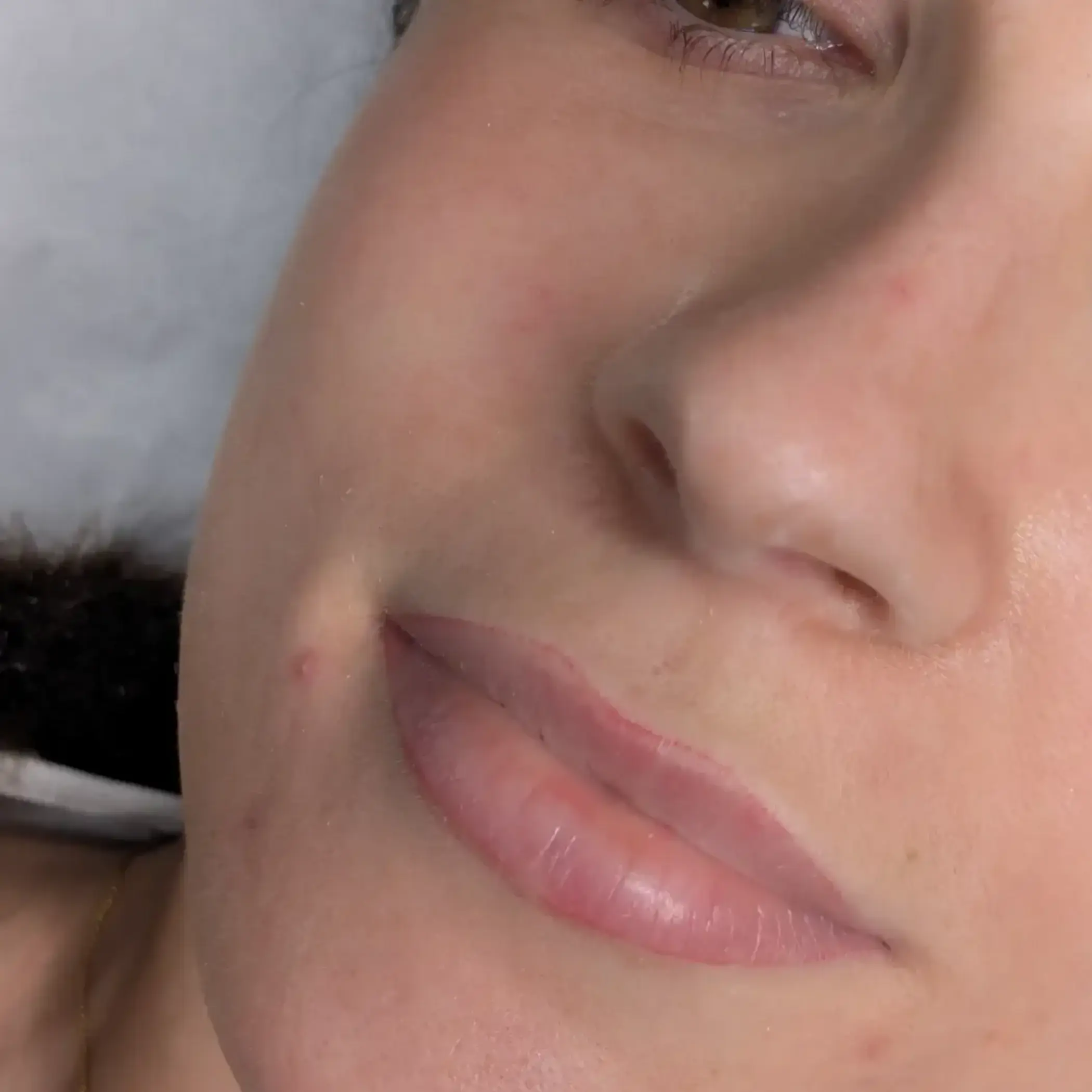
Lip blush isn’t suitable for everyone, and some things will just have to wait. I might put treatment on hold if you’ve got an active cold sore going on, are feeling under the weather, have broken skin, are worried about a poor healing history, have uncontrolled medical issues or have unrealistic expectations about getting the perfect look with just one session. Similarly, people with sensitivities will need some extra TLC with patch testing & ingredient review.
Fair dinkum, the Melbourne prices for quality lip blush can range anywhere from the mid-hundreds to over a grand, depending on the artist’s experience, any correction work that needs doing & whether I throw in a touch-up. Cheaper isn’t always cheaper, trust me – I’ve seen that story play out all too often.
How To Keep Results Cleaner
Good aftercare is key to stopping that pesky pigment from fading & changing colour in all the wrong ways. Now, no aftercare plan is going to guarantee a perfect result, but poor aftercare is basically just asking for trouble. That’s not drama, that’s just the way it is.
So here’s what you need to do:
- Keep the area clean & follow the balm instructions to the letter.
- Avoid spicy food, kissing, pools, saunas & heavy exercise for the early healing period.
- Once you’re all healed, get some sunscreen on, because UV exposure will break down that lip colour faster.
- Book that review appointment on time, rather than waiting until the colour’s dropped out in all the wrong ways.
Fixing Older Grey Results
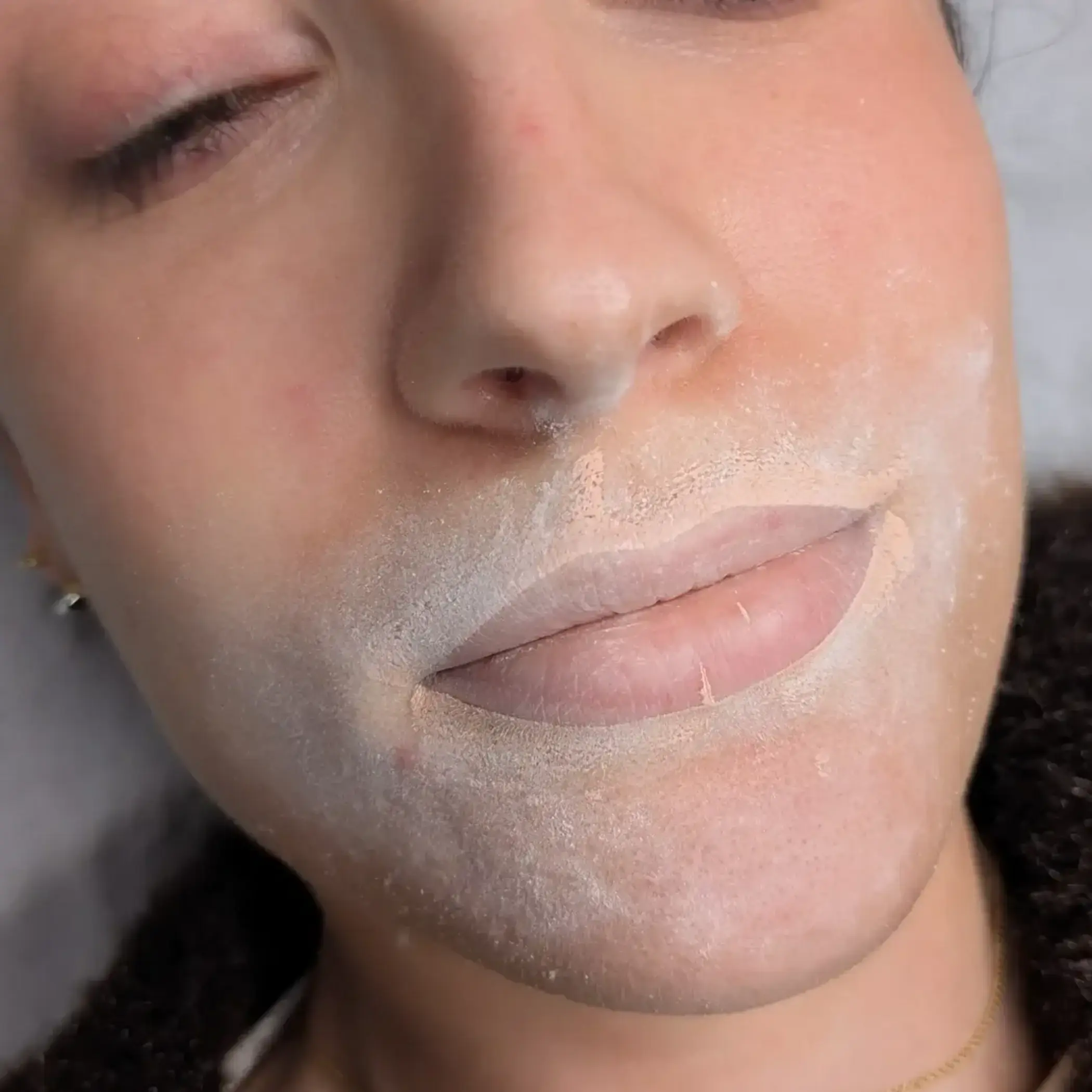
If you’re already stuck with grey lip colour, don’t worry, correction can work – but it’s a pretty unpredictable process, depending on the depth of the original colour, how saturated it was and whether anyone’s tried doing anything with it before. Sometimes we can just tweak it a bit to bring some warmth back in, but other times we need to break the process down into a couple of stages. And in the worst cases, we might even have to discuss the possibility of removing the old colour altogether using saline or a laser before we can even think about putting new colour in.
Not sure if lip blush is right for you yet? Get in touch with Face Figurati – I’d be happy to give you the lowdown on things. Want to see what a real lip tattoo looks like after its healed? Have a browse through our client results gallery.
FAQ
Are Lip Pigmentation And Lip Tattoo The Same Thing?
Generally, yes. You’ll come across those terms a lot, both to describe cosmetic lip blush colour implantation.
Do Tattoo Inks Contain Iron Oxide?
Some do, but some don’t. Just name-checking the brand name won’t cut it – you need to check the exact shade you’re after and the ingredients like-for-like.
What Is The Best PMU Pigment?
No one pigment fits everyone’s needs. The best option is the one that suits your lip tone, your goals, and what you’re trying to correct.
Which Tattoo Inks Should I Definitely Avoid?
You should steer well clear of any pigments your artist can’t verify or guarantee the quality of, as well as any dodgy products that aren’t even regulated and colours that just wont work for your undertone or your existing tattoo history.
Can Iron Oxide-Free Colours Still Look a Bit Shady?
Absolutely yes. It all comes down to the actual technique the artist uses, the undertones they’re working with, any sun damage you’ve had, how the tattoo heals and how well your aftercare routine turns out. Its not just about the ingredients used.